
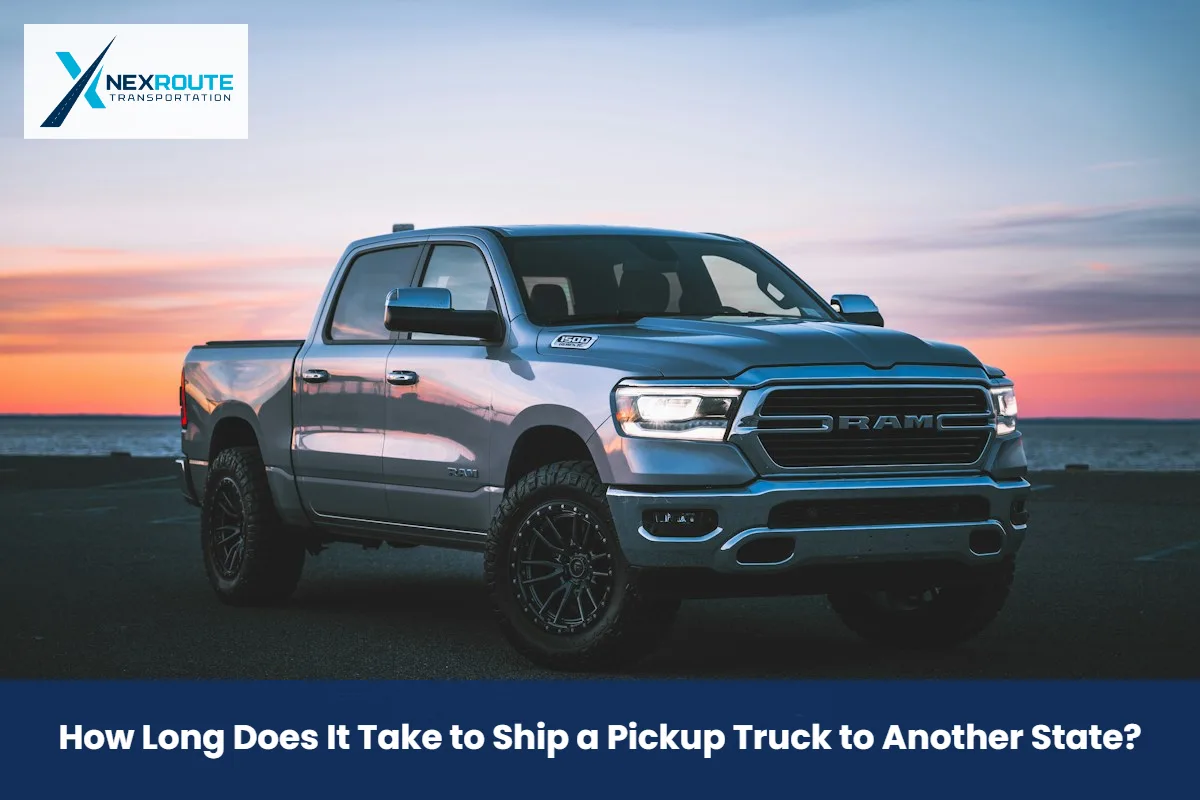
How Long Does It Take to Ship a Pickup Truck to Another State?
Moving to another state or buying a pickup truck from a different part of the country can be exciting, but getting your truck delivered on time is important. If you cannot drive it yourself, hiring an auto transport company is a convenient option. But how long does it actually take to ship a pickup truck to another state?
The answer depends on the distance, carrier availability, weather, and the size of your truck. Some shipments take only a few days, while longer routes may take a week or more. NexRoute Transportation helps customers arrange nationwide vehicle shipping, making it easier to move pickup trucks from one state to another.
In this guide, we will explain how long pickup truck shipping usually takes, what can cause delays, and how you can prepare for a smooth delivery.
How Long Does It Take to Ship a Pickup Truck?
The time required to ship a pickup truck mainly depends on the distance between the pickup and delivery locations. A truck traveling to a neighboring state will usually arrive sooner than one being transported across the country.
Here is a general estimate of how long transportation may take after the truck has been picked up.
| Shipping Distance | Estimated Transit Time |
|---|---|
| Under 500 miles | 1–3 days |
| 500–1,000 miles | 2–5 days |
| 1,000–1,500 miles | 3–6 days |
| 1,500–2,000 miles | 4–7 days |
| Over 2,000 miles | 6–10 days or longer |
These are estimates, not guaranteed delivery times. Carrier schedules, traffic, weather, and other stops along the route can affect the final arrival date.
Remember that arranging a carrier also takes time. If you need your pickup truck delivered by a particular date, contact a shipping company early and discuss your schedule before booking.
What Affects Pickup Truck Shipping Time?
Every shipment is different. Even if two pickup trucks travel the same distance, their delivery times may vary because of several factors.
1. Distance Between Pickup and Delivery Locations
Distance is one of the biggest factors affecting shipping time. Transporting a truck between nearby states generally takes less time than shipping it from California to Florida.
Long-distance shipments involve more driving, possible traffic delays, and additional stops. Carriers may also collect or deliver other vehicles along the way, so your truck might not travel directly from one location to another.
When planning your shipment, consider the entire journey rather than just the number of miles between the two states.
2. Carrier Availability
Your truck cannot be shipped until a suitable carrier is available. On busy routes, finding transportation may be relatively easy. In smaller towns or remote areas, arranging pickup can take longer.
The time of year also matters. During busy moving seasons, more people may need vehicle shipping, which can make scheduling more challenging.
Booking in advance gives you more flexibility and can help you find a pickup window that works with your plans.
3. The Size and Condition of Your Pickup Truck
Pickup trucks come in different shapes and sizes. A standard truck may be straightforward to load, but a lifted truck with oversized tires or aftermarket modifications can require special arrangements.
The truck’s condition matters, too. If it does not start or cannot move under its own power, the carrier may need special loading equipment.
When requesting a quote, provide the correct make, model, year, and condition of your truck. Mention any modifications that could affect its height or weight. This helps the shipping company arrange suitable transportation from the beginning.
4. Weather and Road Conditions
Bad weather can slow down even a well-planned shipment. Heavy rain, snow, ice, and strong winds may make certain roads difficult or unsafe for large transport carriers.
Traffic congestion, accidents, and road construction can also cause delays. These issues are particularly important during long-distance shipments because a delay in one area can affect the rest of the carrier’s schedule.
Although you cannot control the weather, you can allow some extra time when arranging transportation during winter or periods of severe weather.
5. Pickup and Delivery Locations
Where your truck is collected and delivered can affect the shipping schedule. Carriers often have more options in major cities and along popular highways than in remote locations.
Access is another consideration. Large transport trucks may not be able to enter narrow residential streets or areas with low-hanging trees and parking restrictions.
If your street is difficult to access, the driver may ask you to meet at a nearby location with enough room to load or unload the truck safely. Confirming these details in advance can help prevent unnecessary delays.
Open vs. Enclosed Pickup Truck Shipping
The type of transport you choose can also influence scheduling.
Open auto transport is a common option for standard pickup trucks. The vehicles travel on an open trailer, and carriers may be available on many popular routes. It is often a practical choice for everyday trucks.
Enclosed auto transport carries vehicles inside a covered trailer, providing additional protection from weather and road debris. This option may suit classic, valuable, or specially modified pickup trucks, although availability can be more limited on some routes.
Neither option guarantees a faster delivery. The best choice depends on your truck, budget, and protection requirements.
How to Get Your Pickup Truck Shipped Faster
While some delays are unavoidable, a little preparation can make the process easier.
Book Your Shipment Early
Do not wait until the last minute if you already know your moving date. Booking one to two weeks ahead is a useful starting point for many shipments, although specialized trucks and busy routes may require more planning.
Early booking gives the shipping company more time to arrange a suitable carrier.
Provide Accurate Information
Give the company the correct pickup and delivery addresses, truck details, preferred dates, and vehicle condition. If your truck has a lift kit, oversized tires, or other modifications, mention them when requesting a quote.
Missing information can lead to scheduling changes or the need to find different equipment.
Keep Your Schedule Flexible
If possible, allow a pickup window instead of insisting on one exact collection time. Flexibility can make it easier to coordinate with available carriers.
If you have a strict deadline, explain it before booking and ask whether the company can accommodate your preferred schedule. Expedited arrangements may be available, but delivery still depends on the route and road conditions.
Prepare Your Truck Before Pickup
Remove personal belongings and loose items, secure accessories, and make sure the truck is accessible. Take photographs of the vehicle before it is loaded so you have a record of its condition.
If the truck is not running, tell the shipping company in advance so it can arrange appropriate loading equipment.
What Is the Pickup Truck Shipping Process?
If you have never shipped a pickup truck before, the process is usually straightforward.
Step 1: Request a quote. Provide your truck details, pickup and delivery locations, and preferred shipping dates.
Step 2: Confirm the arrangements. Review the quote, transportation method, pickup window, and any special requirements before booking.
Step 3: Prepare for pickup. Make sure the truck is ready for transport and that the carrier can access the collection point.
Step 4: Complete the vehicle inspection. Review the truck’s condition with the driver and keep a copy of the inspection documentation.
Step 5: Stay in contact. Ask your shipping provider for updates and information about the expected delivery window.
Step 6: Inspect the truck at delivery. Check its condition against the original inspection report before completing the handoff.
Knowing what to expect at each stage can make vehicle shipping less stressful.
Final Thoughts
Shipping a pickup truck to another state usually takes a few days, but longer routes can require a week or more. The distance, carrier availability, truck size, and road conditions all play a role in determining the delivery time.
The best way to avoid unnecessary delays is to book early, provide accurate vehicle information, and allow some flexibility in your schedule.
Frequently Asked Questions
How long does it take to ship a pickup truck across the country?
Cross-country pickup truck shipping may take around six to ten days after pickup, sometimes longer. The exact timeline depends on the route, carrier schedule, weather, and delivery location.
Can I ship a pickup truck to another state in three days?
It may be possible on a shorter route, but it depends on the distance and carrier availability. Ask for a route-specific estimate instead of assuming every interstate shipment takes the same amount of time.
Can I ship a lifted pickup truck?
Yes, many lifted pickup trucks can be transported, but their height, weight, and modifications may affect carrier availability. Provide accurate measurements and vehicle details when requesting a quote.
Should I book pickup truck shipping in advance?
Yes. Booking early gives the company more time to arrange a carrier and helps you plan around your moving or delivery date.
What can delay pickup truck delivery?
Common reasons include bad weather, traffic, road closures, carrier scheduling, remote pickup locations, and special equipment requirements.