
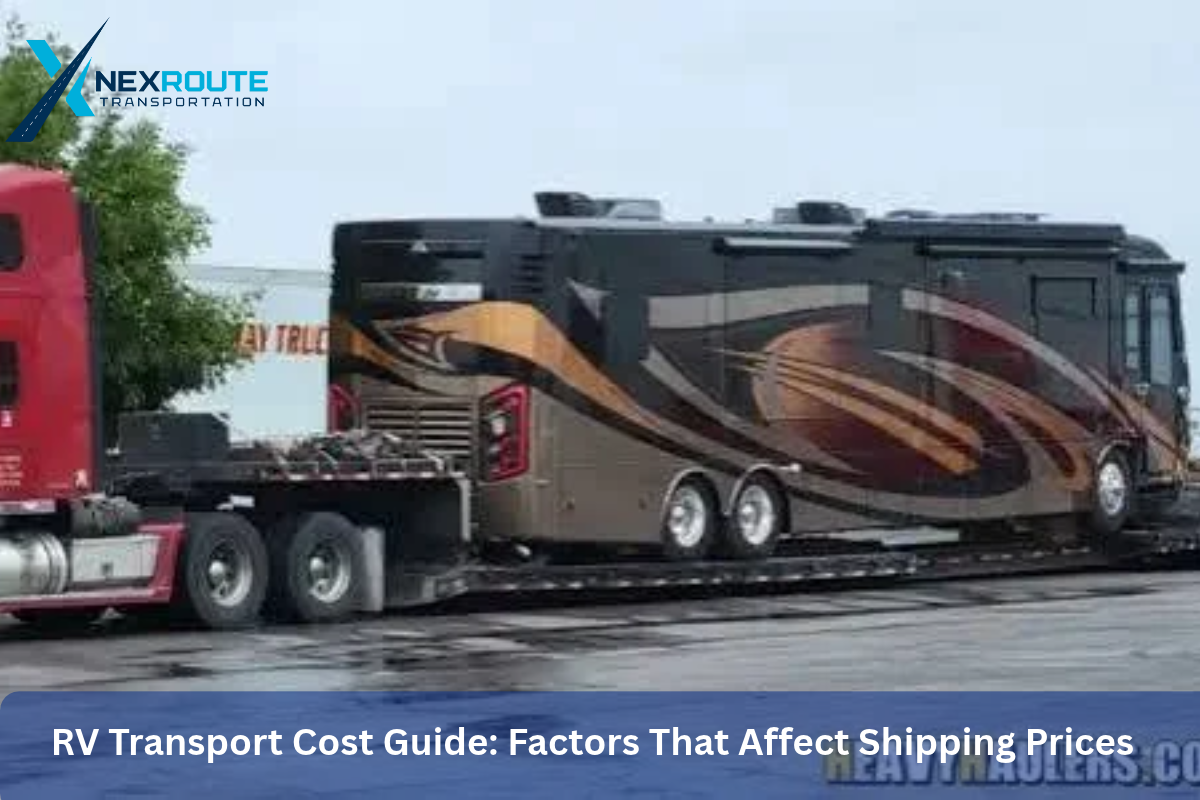
RV Transport Cost Guide: Factors That Affect Shipping Prices
Transporting a recreational vehicle (RV) to another state or across the country can make relocating, buying an RV, or planning a long-distance trip much easier. However, one of the first questions most owners ask is how much RV transportation will cost.
The answer depends on several factors, including travel distance, RV size, weight, transport method, route, and scheduling requirements. Understanding these factors can help you plan your budget, compare quotes, and choose a transportation service that meets your needs.
In this guide, we explain the main factors affecting RV transport cost, ways to manage your budget, and what to consider before booking a professional RV transportation service.
How Much Does RV Transport Cost?
RV transport costs vary depending on the vehicle being moved and the distance involved. Some industry sources publish broad planning estimates of approximately $1 to $4 per mile, but actual rates can fall outside this range depending on the shipment.
Short-distance transportation may have a higher cost per mile because pickup, equipment preparation, and delivery involve fixed expenses. Longer trips generally cost more overall, although the effective rate per mile may decrease as distance increases.
For example, transporting a small travel trailer over a short distance may require a different budget than moving a large motorhome across several states. The equipment, route, driver requirements, and condition of the RV can all affect the final quote.
Rather than relying entirely on an online average, request a personalized estimate based on your RV specifications and pickup and delivery locations.
1. Distance Between Pickup and Delivery Locations
Distance is one of the most significant factors affecting RV transportation costs. Longer routes generally require more fuel, driving time, and logistical planning.
A shipment between nearby cities may involve fewer miles but still require the transporter to travel to the pickup location, inspect the RV, prepare the equipment, and coordinate delivery. These fixed tasks can make shorter trips relatively expensive per mile.
Long-distance RV transportation may involve interstate highways, toll roads, overnight stops, and route restrictions. Depending on the RV’s dimensions and weight, the carrier may also need to consider specific road limitations.
When requesting a quote, provide accurate pickup and delivery addresses whenever possible. This allows the transportation provider to evaluate the route and identify potential access challenges.
2. RV Size, Weight, and Dimensions
The size and weight of your RV can significantly influence the cost of transportation. Larger and heavier vehicles may require specialized equipment, more fuel, and additional planning.
For example, a compact travel trailer may be easier to transport than a large fifth-wheel trailer or a Class A motorhome. Oversized RVs can also require permits or other arrangements depending on their dimensions and the route.
Before requesting a quote, gather the following information:
- RV make, model, and year
- Overall length, width, and height
- Vehicle weight or gross vehicle weight rating, when available
- Additional equipment, such as roof-mounted accessories
- Any modifications that affect the RV’s dimensions
Accurate measurements help the transporter determine suitable equipment and identify possible restrictions before the shipment begins.
3. Type of RV Being Transported
Different RV types require different transportation arrangements, which can affect the overall price.
Travel trailers: These are typically transported using an appropriate tow vehicle and compatible towing equipment.
Fifth-wheel trailers: Their hitch configuration and weight may require a suitable heavy-duty towing setup.
Class A motorhomes: Their larger dimensions and weight can make transportation more complex, depending on the model and service selected.
Class B and Class C motorhomes: These may offer more flexibility than larger RVs, but their dimensions, condition, and mechanical suitability still affect the transport arrangement.
The best transportation method depends on the RV’s specifications and condition. A professional provider can help determine whether tow-away, driveaway, or another suitable arrangement is appropriate.
4. Transport Method
The transportation method you select can have a direct impact on RV shipping costs.
Tow-away transport
Tow-away service is commonly used for travel trailers and other towable RVs. A suitable tow vehicle moves the trailer to its destination. Pricing depends on trailer size, towing requirements, distance, and route conditions.
Driveaway transport
Driveaway service involves a qualified driver operating a roadworthy motorhome to its destination. This option may avoid the need for a separate transport trailer, but it adds mileage and wear to the RV.
Flatbed or specialized transport
Some RVs require specialized equipment because of their size, condition, or configuration. These arrangements can involve additional loading requirements, equipment costs, and route planning.
Each option has different considerations. Compare the full service offered, rather than choosing solely on the advertised price.
5. Route Conditions and Accessibility
The pickup and delivery locations can influence your final RV transport cost.
A location near a major highway may be easier for a large transport vehicle to access than a narrow residential street or remote property. Steep driveways, low-hanging branches, restricted roads, tight turns, and limited parking can complicate loading or delivery.
Some routes may also involve tolls, road restrictions, or permit requirements for oversized loads.
If your RV is located in a campground, storage facility, or gated community, inform the transport provider about access rules before booking. Confirm whether there is sufficient space for the towing vehicle to maneuver safely.
Providing these details early can help reduce unexpected complications and additional charges.
6. Time of Year and Scheduling Flexibility
Seasonal demand can affect RV transportation prices. Many owners move their RVs during spring and summer, while others arrange transportation when relocating for winter or returning home after seasonal travel.
When demand increases, carrier availability may become more limited on certain routes.
Your preferred pickup date can also affect the quote. Expedited transportation or a strict delivery deadline may cost more because the provider has fewer scheduling options.
If your move is not urgent, consider allowing a flexible pickup window. Planning ahead may give you more options when comparing transportation providers.
7. RV Condition and Preparation Requirements
The condition of your RV can influence which transport methods are available and how much preparation is needed.
A roadworthy motorhome may qualify for driveaway service if it meets the relevant requirements. A motorhome with mechanical problems may need an alternative transportation arrangement.
Similarly, a towable RV with damaged tires, faulty brakes, hitch problems, or other safety concerns may require repairs before transportation.
Before pickup, inspect your RV, remove loose belongings, secure interior items, and photograph its existing condition. Follow the manufacturer’s preparation recommendations and confirm any additional requirements with your carrier.
Preparing your RV properly can help avoid delays and make the handover more organized.
8. Insurance, Permits, and Additional Charges
When comparing RV transport quotes, pay attention to what the quoted price includes.
Depending on the shipment, additional costs may involve permits, tolls, special equipment, storage, extra stops, or difficult pickup and delivery access. Some providers may also charge more for expedited scheduling.
Insurance and carrier liability are equally important considerations. Ask for written information about applicable coverage, exclusions, deductibles, and the process for reporting damage.
Before booking, ask the transportation provider:
- Is the quote fixed or subject to adjustments?
- Are permits and other required fees included?
- What insurance or carrier liability applies?
- Are there additional charges for my RV’s size or condition?
- What happens if pickup or delivery arrangements change?
Comparing these details helps you understand the full cost instead of focusing only on the initial estimate.
9. How to Save Money on RV Transportation
You can take several practical steps to manage your RV transport budget without compromising safety.
Book in advance. Early planning gives you more time to compare providers and find a suitable schedule.
Be flexible with dates. A wider pickup window may provide more transportation options than an urgent, fixed-date request.
Provide accurate RV details. Correct dimensions, weight, condition, and location information help reduce quote discrepancies.
Compare multiple quotes. Review pricing, service inclusions, insurance information, and delivery estimates together.
Prepare the RV properly. Complete the agreed preparation steps before pickup to help avoid unnecessary delays or additional work.
Choose the appropriate transport method. Discuss available options with your provider and select one that suits your RV’s condition and requirements.
The cheapest quote is not always the best choice. Reliable communication, suitable equipment, transparent terms, and appropriate coverage are important when deciding which provider to trust.
10. Getting an Accurate RV Transport Quote
The most effective way to estimate your RV transportation cost is to request a quote based on your specific shipment.
Start by gathering your RV’s dimensions, weight, make, model, and condition. Identify the pickup and delivery locations, preferred dates, and any special access requirements.
Next, explain whether your RV is a travel trailer, fifth wheel, or motorhome. This information helps the transportation provider assess the appropriate service and equipment.
Review the quote carefully before confirming the booking. Make sure you understand the expected schedule, payment terms, insurance information, and any circumstances that could change the price.
NexRoute Transportation LLC offers nationwide vehicle transportation services, including RV and motorhome shipping. Contact the company to discuss your transportation needs, confirm availability for your route, and request a quote based on your RV’s specifications.
Final Thought
Understanding the factors that affect RV transport cost can help you plan your move with greater confidence. Distance, RV dimensions, weight, transport method, route accessibility, scheduling, and additional service requirements all play a role in determining the final price.
Instead of relying on a general per-mile estimate, compare personalized quotes and review exactly what each provider includes. Prepare your RV in advance, confirm insurance and transport arrangements, and choose a service that balances cost, reliability, and safety.
Whether you are relocating, purchasing an RV from another state, or moving a motorhome to a seasonal destination, NexRoute Transportation LLC can help you explore transportation options for your needs. Request a quote to discuss your route and determine the next steps for your RV shipment.
Frequently Asked Questions
1. How much does RV transport cost per mile?
RV transport estimates can range broadly, with some industry sources citing approximately $1 to $4 per mile for planning purposes. Actual pricing depends on distance, RV type, dimensions, weight, route, and transport method. Request a personalized quote for a more reliable estimate.
2. What factors affect RV transport cost the most?
The main factors include transportation distance, RV size and weight, vehicle condition, transport method, pickup and delivery accessibility, seasonal demand, and scheduling requirements. Permits, specialized equipment, and other additional services can also affect the total.
3. Is it cheaper to transport an RV over a long distance?
The total cost of a long-distance shipment is generally higher because more miles must be covered. However, the cost per mile may be lower than for a short trip because fixed pickup and delivery expenses are spread over more miles.
4. Does RV size affect shipping prices?
Yes. Larger or heavier RVs may require specialized towing equipment, more fuel, or additional route planning. Oversized vehicles may also need permits or other arrangements depending on local and state requirements.
5. Is tow-away or driveaway RV transport cheaper?
Neither option is always cheaper. Tow-away service is commonly used for travel trailers, while driveaway service involves a qualified driver operating a roadworthy motorhome. The best option depends on the RV, route, condition, and service requirements.
6. Are there additional fees for RV transportation?
Additional fees may apply for permits, tolls, specialized equipment, difficult access, storage, extra stops, or expedited scheduling. Ask the provider for a written breakdown of the quote and any conditions that could change the final price.
7. How can I reduce my RV transport cost?
Book ahead, remain flexible with pickup dates, provide accurate vehicle information, prepare the RV properly, and compare multiple quotes. Evaluate the service and coverage included rather than automatically choosing the lowest price.
8. How do I get an RV transport quote from NexRoute Transportation LLC?
Visit the NexRoute Transportation LLC website and contact the company about your RV shipment. Provide the pickup and delivery locations, RV type, dimensions, weight, condition, and preferred schedule to help determine availability and pricing.