
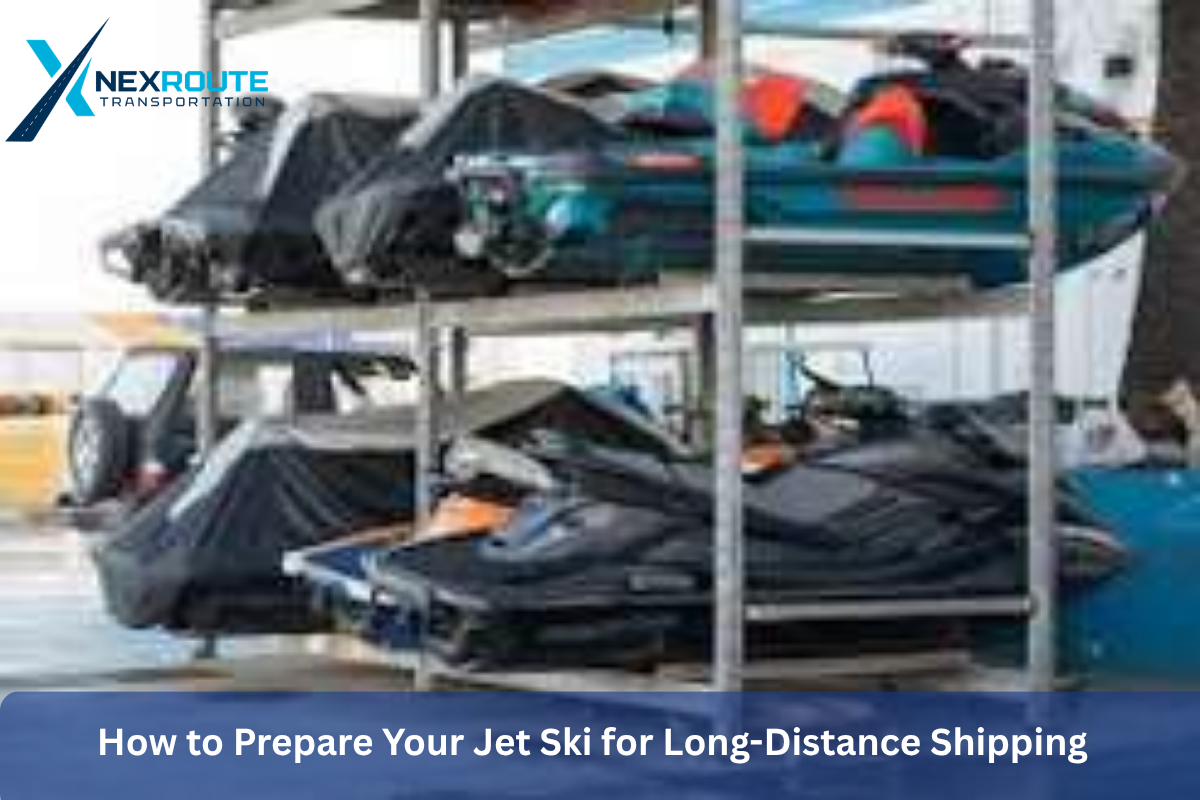
Shipping a jet ski over a long distance requires proper preparation to help protect it from damage during transportation. Whether you are relocating, selling your personal watercraft, or sending it to a vacation property, taking the right steps before pickup can make the shipping process easier and more organized.
Professional jet ski shipping involves more than placing the watercraft on a trailer. You may need to drain water, secure loose components, inspect the hull, prepare the trailer if applicable, and confirm the transport arrangements with your carrier.
In this guide, we explain how to prepare your jet ski for long-distance shipping and what to consider before booking transportation.
1. Inspect Your Jet Ski Before Shipping
Start by checking the overall condition of your jet ski before the scheduled pickup. A thorough inspection helps you identify existing damage and document the watercraft’s condition before transportation.
Look carefully at the hull, handlebars, seat, mirrors, storage compartments, and other accessible components. Check for scratches, cracks, dents, loose fittings, or signs of wear.
Take clear photographs from multiple angles, including close-ups of any existing damage. Save these pictures with the date so you can compare the condition when the jet ski arrives.
If your personal watercraft has a known mechanical issue, tell the transport provider before pickup. This information can help the carrier determine appropriate handling and loading arrangements.
Preparation tip: Keep your photographs and shipping paperwork together until the delivery is complete and you have inspected the jet ski.
2. Clean the Jet Ski Thoroughly
Cleaning your jet ski before shipping helps you inspect its condition more accurately and makes it easier to identify any new marks after delivery.
Remove dirt, sand, mud, salt residue, and other debris from the hull and exterior surfaces. Pay particular attention to areas where damage might otherwise be difficult to notice.
If you have been using your jet ski in saltwater, rinse it according to the manufacturer’s recommendations. Allow accessible surfaces to dry before transportation.
Cleaning is also useful when transporting a watercraft between states because some destinations may have agricultural, environmental, or invasive-species inspection requirements. Check applicable rules if your jet ski has been used in areas with aquatic invasive species.
Avoid applying products that could make surfaces slippery or leave residue on areas that need to be handled during loading.
3. Drain Water From the Jet Ski
Removing excess water is an important part of preparing a personal watercraft for long-distance transport. Water left in the hull or other accessible areas can leak during transit, add unnecessary weight, or contribute to problems in cold weather.
Follow your manufacturer’s instructions for draining the bilge and removing water from the watercraft. Check the owner’s manual for the correct procedure and any precautions that apply to your model.
Do not assume that every internal system can be drained using the same method. Some personal watercraft have model-specific procedures, and incorrect handling can cause damage.
If your jet ski has been exposed to freezing temperatures or will travel through cold regions, ask a qualified marine technician whether additional winterization is necessary. This may include protecting specific systems from freezing.
Before pickup, confirm with the carrier whether any additional drainage or preparation requirements apply to your particular transport arrangement.
4. Remove Loose Accessories and Personal Items
Loose equipment can shift during transportation, scratch surfaces, or become lost. Before shipping, remove personal belongings and accessories that are not securely attached.
Depending on your jet ski’s setup, these items may include:
- Life jackets and personal flotation equipment
- Docking ropes and loose straps
- Portable speakers or removable electronics
- Fishing equipment and recreational accessories
- Tools, cleaning supplies, and personal belongings
- Removable covers or accessories not approved for transport
Store these items separately and transport them yourself whenever possible.
If you have accessories that cannot be removed easily, ask the carrier whether they can remain installed. Do not assume that every accessory is covered by the carrier’s insurance or accepted as part of the shipment.
5. Check the Fuel Level and Battery
Fuel and battery requirements can vary depending on the carrier, trailer setup, and transportation method. Before pickup, ask for the exact requirements rather than relying on a general rule.
Your transport provider may request a specific fuel level or particular precautions for the battery. Follow those instructions and the manufacturer’s guidance.
Inspect the battery terminals and accessible connections for obvious signs of corrosion or damage. If the carrier requires the battery to be disconnected, have the work completed safely according to the manufacturer’s instructions.
Do not disconnect electrical components unnecessarily, especially if you are unfamiliar with the watercraft’s systems.
If the jet ski has a fuel leak, damaged battery, or another safety-related issue, notify the carrier before transportation. These conditions may need professional attention before the shipment can proceed.
6. Prepare the Trailer if Your Jet Ski Will Be Shipped on One
Some jet skis are transported on their existing trailers, while others are moved using a carrier’s equipment or a specialized transport arrangement. Confirm how your watercraft will be shipped before preparing the trailer.
If your jet ski will travel on its own trailer, inspect the trailer carefully.
Check the following:
- Tires: Look for low pressure, cracks, and visible wear.
- Lights: Confirm that the required trailer lights work.
- Coupler and hitch: Inspect for damage and proper attachment.
- Safety chains: Check that they are in suitable condition.
- Tie-down points: Make sure straps can be secured safely.
- Trailer registration: Confirm that any required documentation is available.
Inspect the trailer’s winch, bow stop, and other securing equipment where applicable. Replace damaged straps or worn components before transport.
If you are not supplying a trailer, ask the shipping company how the jet ski will be supported and secured. The carrier should determine the appropriate equipment and loading procedure for the watercraft.
7. Protect the Hull and Exterior Components
The hull and exterior surfaces can be exposed to road debris, weather, and handling during long-distance shipping. Appropriate protection can help reduce the risk of cosmetic damage.
Ask your carrier what protective covering, if any, is suitable for your transport method. A fitted cover may be appropriate in some situations, but a loose cover can flap in the wind and damage the finish.
Secure or remove any detachable components according to the manufacturer’s instructions and the carrier’s requirements.
Avoid wrapping the entire watercraft in unsuitable plastic or material that could trap moisture, interfere with securement, or create problems during inspection.
If your jet ski has a custom paint finish, upgraded accessories, or other high-value features, tell the transport provider in advance. You can also ask whether additional precautions are available.
8. Prepare the Required Documents
Having the necessary information ready helps prevent delays on pickup day.
Depending on the shipment and carrier, you may need to provide:
- Your name and contact information
- Pickup and delivery addresses
- Jet ski make, model, and year
- Hull identification number (HIN), when requested
- Proof of ownership or other documentation, if required
- Trailer details, if the trailer is included
- Shipping confirmation and agreed transport details
Requirements vary by provider and circumstances, so confirm which documents are actually necessary before pickup.
Review the shipping agreement carefully. Check the pickup and delivery arrangements, payment terms, cancellation policy, and any restrictions on accessories or personal belongings.
You should also ask how the carrier documents the watercraft’s condition and what procedure to follow if damage is discovered at delivery.
9. Choose a Suitable Jet Ski Shipping Service
Selecting an appropriate transport provider is an important part of preparing for long-distance shipping.
Compare providers based on their experience with personal watercraft, transport arrangements, communication, insurance information, and written pricing.
Before booking, ask these questions:
- How will my jet ski be loaded and secured?
- Is transportation available for my pickup and delivery locations?
- What is included in the quoted price?
- What insurance or carrier liability applies to my shipment?
- Are there additional charges for trailers, special equipment, or difficult access?
- What is the estimated pickup and delivery timeframe?
Do not choose a provider based on price alone. Confirm the details of the service and understand what happens if the schedule changes or your watercraft arrives with damage.
NexRoute Transportation LLC offers vehicle transportation services for customers arranging shipments across the United States. Contact the company to discuss your jet ski shipment, confirm service availability for your route, and request a quote based on your specific requirements.
10. Complete a Final Check Before Pickup
Before the carrier arrives, review your preparation checklist and confirm that all agreed requirements have been met.
Make sure the jet ski is clean, excess water has been addressed, loose accessories have been removed, and any carrier-specific fuel or battery instructions have been followed.
Take final photographs and keep your shipping documents accessible. Confirm the pickup location, contact details, and any instructions for accessing the property.
At pickup, review the watercraft’s condition with the carrier and ensure any existing damage is documented appropriately.
When the jet ski arrives, inspect it before completing the delivery process. Compare its condition with your original photographs and follow the carrier’s documented procedure if you notice damage.
Final Thoughts
Properly preparing your jet ski can make long-distance transport easier and reduce avoidable problems. Start with a detailed inspection, clean the watercraft, follow the manufacturer’s drainage instructions, remove loose belongings, and confirm the carrier’s requirements for fuel, batteries, and transport equipment.
Also choose a reliable provider, understand your shipping agreement, and document your jet ski’s condition before pickup and after delivery.
If you are planning to ship a jet ski across state lines or to another part of the country, NexRoute Transportation LLC can help you explore transportation options. Contact the company to discuss your route, confirm availability, and request a quote for your shipment.
Frequently Asked Questions
1. How do I prepare my jet ski for long-distance shipping?
Clean and inspect your jet ski, remove loose accessories and personal belongings, drain water according to the manufacturer’s instructions, and document its condition with photographs. Confirm fuel, battery, and securing requirements with your transport provider before pickup.
2. How much does jet ski shipping cost?
Jet ski shipping costs depend on the transport distance, jet ski dimensions and weight, transport method, pickup and delivery locations, and any special handling requirements. Request a personalized quote to understand the expected cost.
3. Should I drain my jet ski before shipping?
Yes, you should address excess water before transportation. Follow the manufacturer’s instructions for draining the bilge and other applicable areas. If winter weather is expected, ask a qualified marine technician whether additional winterization is needed.
4. Can I leave personal belongings inside my jet ski during shipping?
It is best to remove personal belongings, loose accessories, and removable equipment before shipping. Items left inside may shift during transit and might not be covered by the carrier’s insurance.
5. Do I need a trailer to ship my jet ski?
Not necessarily. The required equipment depends on the carrier’s transportation method. Some shipments use the owner’s trailer, while others require a suitable carrier-provided transport arrangement. Confirm the equipment requirements before booking.
6. How long does it take to ship a jet ski across the country?
Transit time depends on the distance, route, carrier schedule, weather, and pickup and delivery arrangements. Ask your transport provider for an estimated timeframe based on your specific shipment.
7. Is jet ski shipping insurance included?
Insurance coverage and carrier liability vary by provider and shipment. Before booking, ask for written details about applicable coverage, exclusions, deductibles, and the process for reporting damage.
8. Can I ship a jet ski to another state?
Yes, interstate jet ski transportation is possible when a suitable carrier and transport arrangement are available. Provide your pickup and delivery locations, jet ski details, and any trailer requirements when requesting a quote.