
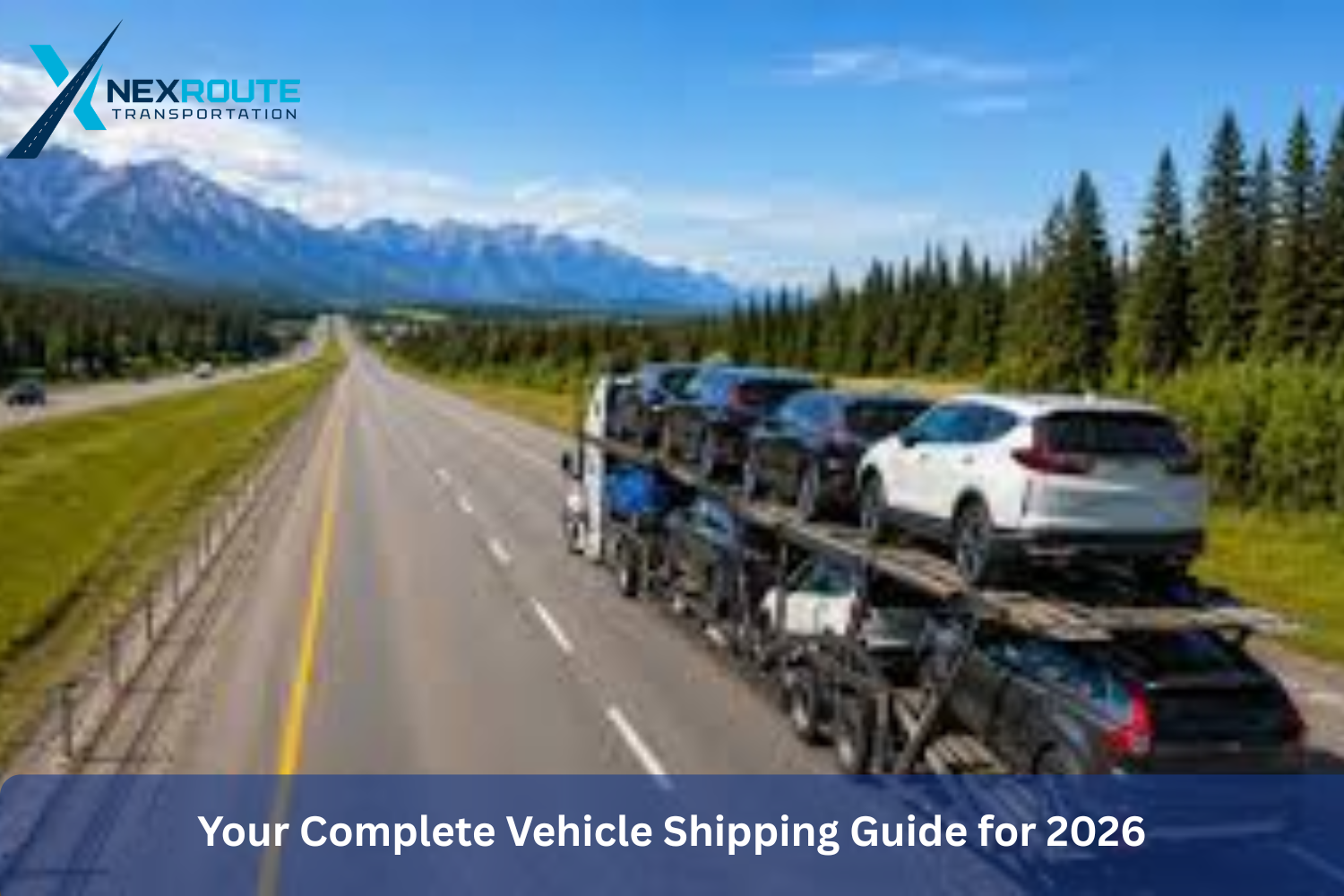
Shipping a vehicle has never been more convenient, but making the right decisions still requires a clear understanding of the process. Whether you’re relocating to another state, purchasing a vehicle online, sending a car to a family member, or transporting a classic vehicle, knowing how vehicle transport works can save you time, money, and unnecessary stress. As the transportation industry continues to evolve in 2026, customers have access to more reliable carriers, improved tracking technology, and flexible shipping options than ever before.
If this is your first time shipping a vehicle, it’s completely normal to have questions. How much does it cost? Which shipping method is best? How long will delivery take? What should you do before your vehicle is picked up? Fortunately, professional car shipping services simplify the entire process by handling everything from scheduling and inspections to secure transportation and final delivery. This complete guide walks you through every major step, helping you understand what to expect while avoiding common mistakes that could delay your shipment.
Why Vehicle Shipping Is More Popular Than Ever
In recent years, more Americans have chosen professional vehicle shipping instead of driving long distances themselves. Rising fuel prices, busy schedules, remote work opportunities, and online vehicle purchases have all contributed to the growing demand for dependable transport services. Rather than spending days on the road, customers can have their vehicles transported safely while they travel by plane or focus on other priorities.
Another reason for this increase is convenience. Professional carriers are equipped to transport everything from compact cars and SUVs to motorcycles, pickup trucks, luxury vehicles, and classic automobiles. Whether you’re moving a single family car or coordinating multiple vehicle shipments, today’s auto transport company options provide flexible scheduling and dependable service across the country.
How the Vehicle Shipping Process Works
The shipping process begins with requesting a car shipping quote. You’ll provide details such as your vehicle’s make and model, pickup and delivery locations, preferred shipping dates, and whether the vehicle is operational. Using this information, the transport company calculates an estimated price based on distance, vehicle size, transport type, fuel costs, and current market demand.
After you approve the quote, your shipment is scheduled and assigned to a licensed carrier traveling along your route. On pickup day, the driver performs a complete inspection, documents the vehicle’s condition, and safely loads it onto the carrier. Once the shipment reaches its destination, you’ll complete a final inspection before accepting delivery. This organized process ensures transparency and helps protect both the customer and the carrier throughout the shipment.
Choosing the Right Shipping Method
One of the most important decisions you’ll make is selecting the appropriate shipping method for your vehicle. The majority of customers choose open car transport, which is the most affordable and commonly available option. Vehicles are securely transported on open trailers that carry several cars at once, making this method ideal for everyday vehicles used for commuting or family travel.
If you’re transporting a luxury vehicle, classic car, antique automobile, or exotic sports car, enclosed car transport offers greater protection. Since your vehicle travels inside a fully enclosed trailer, it’s protected from rain, snow, road debris, dust, and harsh sunlight. Although enclosed shipping generally costs more, many owners find the additional protection worthwhile when transporting high-value vehicles.
What Affects Vehicle Shipping Cost?
Understanding what influences vehicle shipping cost helps you budget more effectively and avoid surprises. Distance is one of the largest pricing factors. Naturally, shipping a vehicle across several states requires more time, fuel, and driver resources than transporting it a few hundred miles. However, distance isn’t the only consideration.
Other factors include vehicle size and weight, shipping method, route popularity, seasonal demand, and delivery flexibility. Larger SUVs and pickup trucks typically cost more to transport because they occupy additional trailer space and weigh more than smaller sedans. Likewise, choosing door-to-door auto transport or enclosed shipping may affect the final price depending on your specific route and schedule. Requesting multiple quotes and booking early often helps customers secure more competitive pricing.
Door-to-Door Auto Transport vs. Terminal Shipping
Most customers today prefer door-to-door auto transport because it offers maximum convenience. Instead of driving your vehicle to a shipping terminal, the carrier picks it up as close to your location as safely possible and delivers it near your final destination. This eliminates unnecessary travel, reduces stress, and simplifies the overall experience.
Terminal-to-terminal shipping, on the other hand, requires customers to drop off and collect their vehicles from designated transport facilities. While this option may occasionally be available at a lower price, it usually requires additional planning and travel time. For most individuals and families, the convenience of professional vehicle pickup and delivery makes door-to-door service the preferred choice.
Prepare Your Vehicle Before Shipping
Preparing your vehicle properly before transport can make the entire process smoother for both you and the carrier. Start by washing your vehicle so any existing scratches, dents, or paint chips are easy to identify during the inspection. Take clear photos from every angle and save them for your records. These images can be useful when comparing your vehicle’s condition upon delivery.
Next, remove all personal belongings unless your transport provider specifically allows a limited amount of cargo. Personal items can increase the vehicle’s weight and are generally not covered by the carrier’s insurance. It’s also a good idea to leave about a quarter tank of fuel, disable any alarm systems, check your tire pressure, and ensure the battery is fully charged. Taking these simple steps helps ensure a seamless vehicle pickup and delivery experience.
Benefits of Nationwide Car Shipping
Whether you’re relocating for work, moving your child to college, buying a vehicle online, or heading south for the winter, nationwide car shipping offers a reliable and convenient solution. Instead of spending several days driving across the country, you can focus on your move while professionals handle the transportation of your vehicle.
Another significant advantage is reducing wear and tear. Long-distance road trips add unnecessary mileage, increase the risk of breakdowns, and accelerate depreciation. Professional vehicle transport helps preserve your vehicle’s condition while giving you peace of mind. Many modern carriers also provide shipment updates, allowing you to stay informed throughout the journey.
Common Vehicle Shipping Mistakes to Avoid
Many first-time customers unintentionally make mistakes that can complicate the shipping process. One of the most common is choosing a company based solely on the lowest price. While saving money is important, an unusually low quote may indicate hidden fees, inexperienced carriers, or lower service quality. Instead, compare reputation, licensing, insurance coverage, and customer reviews before making your decision.
Another mistake is waiting until the last minute to schedule transport. Booking early often provides more scheduling flexibility and better pricing. Additionally, always read your transport agreement carefully, verify pickup and delivery windows, and communicate openly with your carrier. These simple precautions can help prevent delays and create a more enjoyable shipping experience.
How to Choose the Best Auto Transport Company
Finding the right auto transport company is one of the most important steps in protecting your vehicle during transit. Begin by confirming that the company is properly licensed and insured. An experienced provider should be transparent about its services, pricing, estimated transit times, and insurance coverage. Reading verified customer reviews can also provide valuable insight into reliability and customer satisfaction.
You should also compare more than just the price. Consider the company’s communication, customer support, shipping options, and ability to accommodate your schedule. Whether you choose open car transport for affordability or enclosed car transport for maximum protection, working with a trusted provider will make your shipping experience significantly smoother.
Frequently Asked Questions
1. How does vehicle shipping work?
Vehicle shipping begins with requesting a car shipping quote, scheduling pickup, completing a vehicle inspection, transporting the vehicle, and performing a final inspection upon delivery.
2. How much does vehicle shipping cost?
Your vehicle shipping cost depends on factors such as distance, vehicle size, transport type, season, route availability, and delivery timeframe.
3. Is open car transport safe?
Yes. Open car transport is the most common shipping method in the United States and is considered a safe, reliable, and cost-effective option for most vehicles.
4. When should I choose enclosed car transport?
Enclosed car transport is recommended for luxury, exotic, antique, collector, or classic vehicles that require additional protection from weather and road debris.
5. How long does vehicle shipping take?
Delivery times vary depending on distance, traffic, weather, and carrier schedules. Shorter routes may take a few days, while cross-country shipments can take one to two weeks.
6. Do I need to be present during pickup and delivery?
Yes, or you may authorize another adult to inspect the vehicle and sign the required documents on your behalf.
7. Is my vehicle insured while being transported?
Reputable carriers provide insurance coverage during transport. Always ask your transport company for details about their insurance policy before booking.
8. Can I leave personal belongings inside my vehicle?
Most transport companies recommend removing personal belongings before shipping. Additional items may not be covered by insurance and can increase the vehicle’s weight.
Vehicle Shipping Tips for a Stress-Free Experience
Planning ahead is one of the easiest ways to ensure a successful shipment. Request multiple quotes, compare services, and avoid making decisions based solely on price. Choose pickup and delivery dates that allow some flexibility, as weather and traffic conditions can occasionally affect transport schedules.
It’s also important to maintain open communication with your transport provider. Keep your phone available during pickup and delivery windows, ask questions whenever you’re unsure, and review all documentation carefully. A little preparation goes a long way toward creating a hassle-free shipping experience.
Final Thoughts
Shipping a vehicle in 2026 is more convenient, efficient, and secure than ever before. Whether you’re relocating across the country, purchasing a vehicle online, or transporting a prized classic car, understanding the process helps you make informed decisions and avoid unnecessary stress. By learning how pricing works, comparing transport options, and preparing your vehicle properly, you’ll enjoy a smoother experience from beginning to end.
Choosing a reputable transport provider is just as important as selecting the right shipping method. Whether you need affordable open car transport, premium enclosed car transport, dependable vehicle pickup and delivery, or reliable nationwide car shipping, partnering with experienced professionals ensures your vehicle arrives safely and on time.