
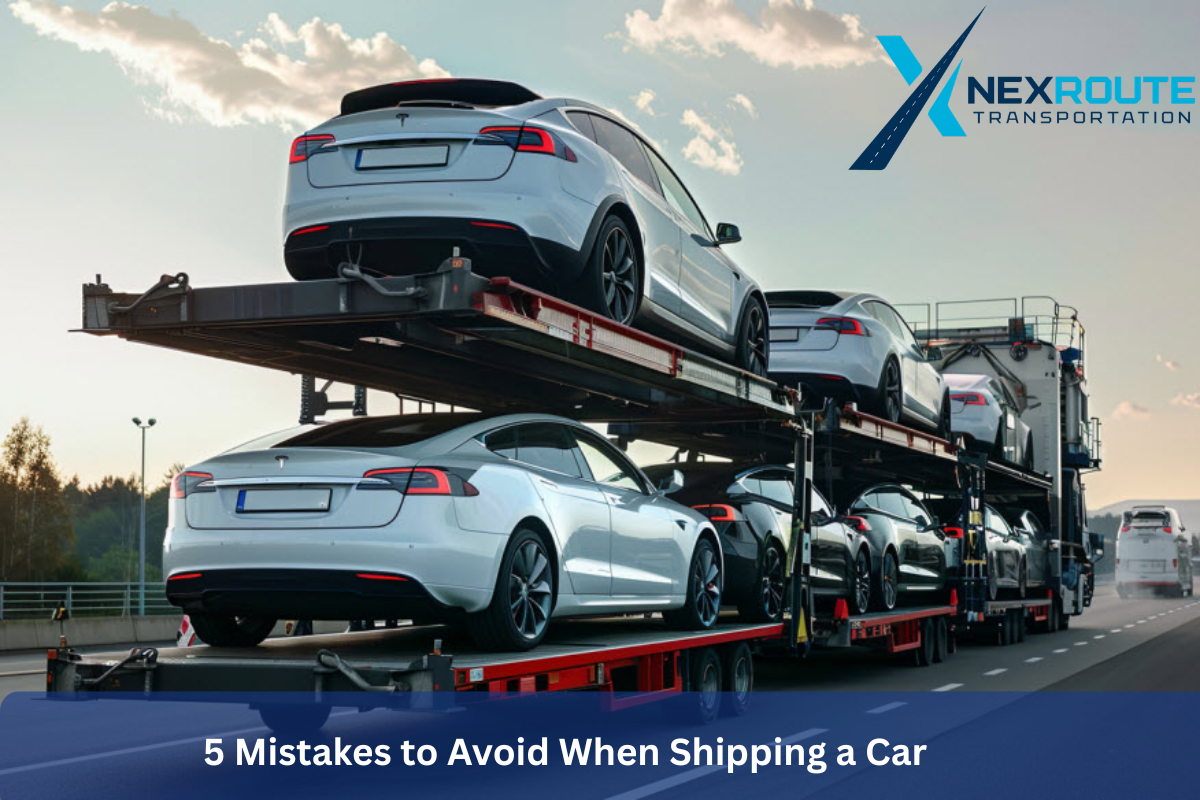
Shipping a car sounds simple until you actually have to arrange it. You need to choose a transport company, compare quotes, prepare your vehicle, understand insurance, and make sure everything is ready on pickup day. For a first-time customer, the process can feel confusing.
The good news is that most problems are easy to avoid when you know what to look for. Whether you’re moving to another state, buying a vehicle online, relocating for work, or sending a car to a family member, understanding common car shipping mistakes can save you money, time, and unnecessary stress.
In this guide, we’ll cover five of the most common auto transport mistakes and explain how to avoid them.
1. Choosing a Car Shipping Company Based Only on Price
Everyone wants to save money, especially when shipping a vehicle. However, choosing the cheapest quote you find can sometimes create bigger problems later.
One of the most common car shipping mistakes is assuming that the lowest price automatically means the best deal. A very low quote may not tell you the complete story. Pricing can vary based on distance, vehicle size, pickup and delivery locations, transportation type, seasonal demand, and other factors.
Instead of looking at price alone, consider the company’s reputation, communication, experience, services, and insurance coverage.
What Should You Look For?
When choosing an auto transport company, consider:
- Customer reviews and reputation
- Clear and transparent pricing
- Proper insurance coverage
- Experience with your type of vehicle
- Pickup and delivery procedures
- Communication throughout the shipping process
- Professional customer service
A reliable company should be willing to explain the process and answer your questions before you make a booking.
A slightly higher quote from a dependable provider can be a much better choice than an unusually low quote from a company that leaves you with unexpected fees or poor communication.
2. Not Understanding the Total Auto Shipping Costs
Another common mistake is accepting an initial quote without understanding what you’re actually paying for.
Auto shipping costs can depend on several factors. The distance between pickup and delivery locations is one of the biggest factors, but it isn’t the only one.
Other factors can include:
- Vehicle size and weight
- Open or enclosed transportation
- Pickup and delivery locations
- Vehicle operating condition
- Seasonal demand
- Fuel prices
- Delivery timeframe
- Special transportation requirements
For example, transporting a standard sedan using open transport may cost less than moving a large SUV using enclosed transport.
Before booking, ask the transportation provider whether the quote is all-inclusive and whether any additional charges could apply.
Don’t be afraid to ask questions such as:
“Is this the final price?”
“Are there any additional fees I should know about?”
“Does the price include pickup and delivery?”
Getting clear answers before booking can help you avoid unpleasant surprises later.
3. Failing to Prepare Your Car Properly
Your vehicle needs to be ready before the carrier arrives. Unfortunately, many customers don’t realize how important preparation is.
One of the most useful vehicle shipping tips is to prepare your car several days before pickup rather than waiting until the last minute.
Start by cleaning the exterior. A clean vehicle makes it easier to identify existing scratches, dents, paint chips, or other damage.
You should also remove personal belongings from the interior. Don’t leave luggage, electronics, important documents, or valuable items inside the car unless your carrier specifically allows certain items.
Follow a Car Shipping Checklist
A simple car shipping checklist can make preparation much easier.
Before pickup:
- Wash the exterior of the vehicle
- Remove personal belongings
- Take photographs of the vehicle
- Check tire pressure
- Check the battery
- Make sure the vehicle has enough fuel for loading and unloading
- Remove or secure loose accessories
- Disable the alarm if possible
- Keep required documents available
- Inform the carrier about mechanical problems
Taking clear photographs is particularly important. Photograph the front, rear, sides, wheels, windows, and any existing damage.
These photos can help you compare your vehicle’s condition when it is delivered.
4. Ignoring Car Transport Insurance
Many people assume their regular auto insurance automatically covers everything that happens during transportation. That may not always be the case.
Understanding car transport insurance before shipping is an important part of protecting yourself.
Ask the transportation company about its insurance coverage before booking. Find out what is covered, whether there are exclusions, and what the claims process looks like if damage occurs.
You should also understand the difference between pre-existing damage and damage that may occur during transportation.
Before the vehicle is loaded, the carrier will typically inspect it and document its condition. Take your own photographs as additional documentation.
When your car arrives, inspect it carefully before accepting delivery. Compare its condition with your original photos and the inspection report.
If you notice new damage, document it immediately and follow the carrier’s instructions for reporting a claim.
The goal isn’t to expect something to go wrong. It’s simply about being prepared.
5. Not Researching the Pickup and Delivery Process
Another mistake is assuming that pickup and delivery will happen exactly like a regular package delivery.
Vehicle transportation is different. Large carriers need suitable roads and enough space to safely load and unload vehicles.
If your home is located on a narrow residential street, in a tight neighborhood, or somewhere difficult for a large carrier to access, the driver may need to meet you at a nearby accessible location.
Ask about the pickup and delivery process before your shipping date.
Confirm:
- Exact pickup location
- Delivery location
- Contact information
- Estimated pickup date
- Expected delivery timeframe
- Special access instructions
- Who will be available during pickup
- Who will receive the vehicle at delivery
Good communication can prevent confusion on both sides.
Bonus Mistake: Waiting Until the Last Minute
Although there are five major mistakes to avoid, there’s another one worth mentioning: waiting too long to arrange transportation.
Last-minute shipping may limit your options and could result in higher prices, especially during busy periods.
If you know your moving date in advance, start researching transportation companies early. This gives you time to compare providers, understand your options, prepare your vehicle, and select a transportation method that fits your needs.
Planning ahead doesn’t mean everything will go exactly according to schedule. Weather, traffic, mechanical problems, and other circumstances can affect delivery times. However, early planning gives you more flexibility.
Open vs. Enclosed Car Transport
When arranging safe vehicle transportation, you may need to choose between open and enclosed transport.
Open transport is commonly used because it is generally more affordable and can accommodate multiple vehicles on one carrier. It is a practical option for many everyday cars.
Enclosed transport provides additional protection from weather and road conditions. It may be particularly suitable for luxury, classic, antique, collectible, or specialty vehicles.
Neither option is automatically right for everyone. Consider your vehicle’s value, condition, budget, and protection requirements before deciding.
How to Make Car Shipping Easier
The best way to avoid problems is to stay informed throughout the process.
Start by researching reputable companies. Don’t rely on a single review or one quote. Compare several providers and ask questions about pricing, insurance, transportation methods, and delivery procedures.
Then prepare your vehicle properly and document its condition.
Finally, keep communication open with the carrier. Make sure your phone number is correct and that you know how to contact the transportation company if plans change.
These simple steps can make the experience much more comfortable.
Why Choosing the Right Transport Partner Matters
Your experience depends heavily on the transportation company you choose. A professional provider should make the process understandable rather than leaving you wondering what happens next.
NexRoute Transportation helps customers arrange vehicle transportation while focusing on a straightforward and convenient shipping experience. Whether you’re moving a personal vehicle, purchasing a car from another location, or planning long-distance transportation, discussing your specific requirements with the provider can help you select the right service.
Before booking, make sure you understand the price, insurance coverage, pickup process, delivery expectations, and preparation requirements.
Final Thoughts
Shipping a car doesn’t have to be stressful. Most issues can be avoided with a little research and preparation.
Don’t choose a company based only on the cheapest quote. Take time to understand auto shipping costs, ask about car transport insurance, prepare your vehicle using a car shipping checklist, and research the pickup and delivery process.
Most importantly, don’t rush the decision.
By avoiding these common car shipping mistakes and following practical vehicle shipping tips, you can make the transportation process smoother and feel more confident from pickup to delivery.
A little preparation before your vehicle leaves can make a big difference when it arrives at its destination.