
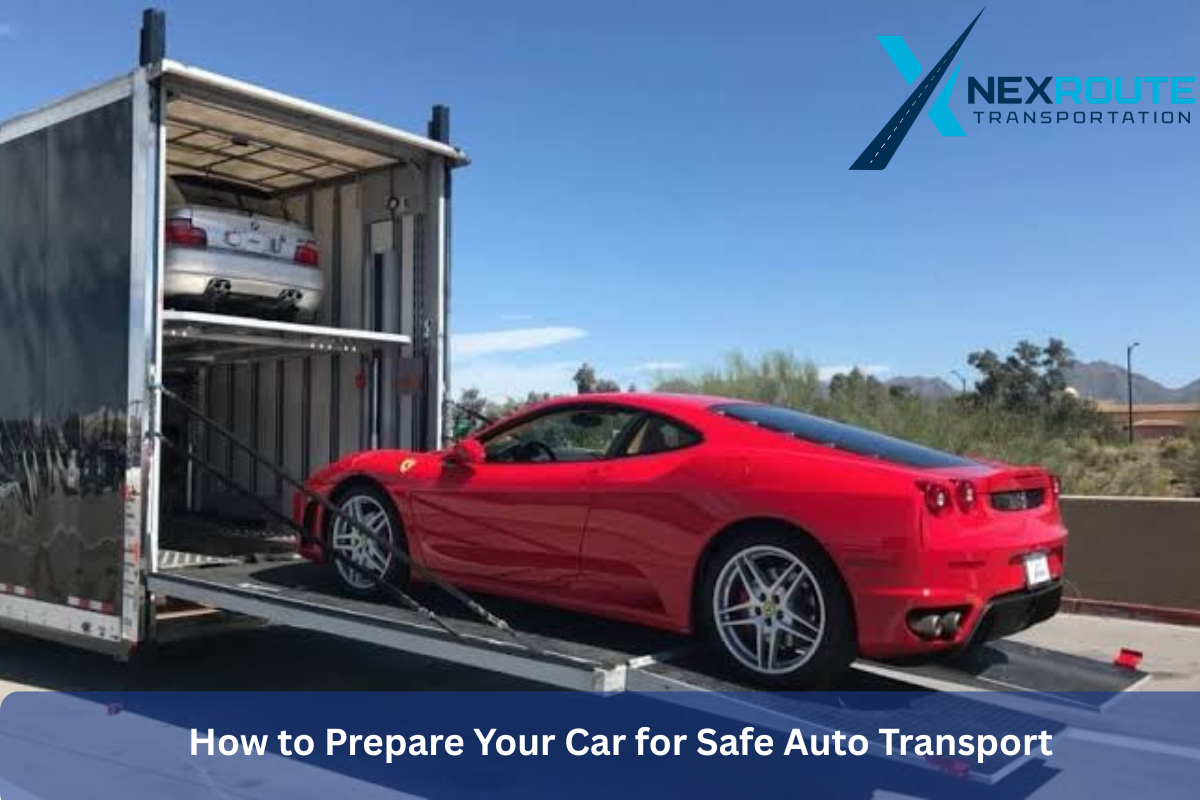
Shipping your vehicle can be a convenient solution when you’re moving across the country, buying a car from another state, relocating for work, or simply need to transport a vehicle over a long distance. However, proper preparation is essential to help make the process smooth and reduce the risk of delays or complications.
Whether you’re working with an auto transport company for a local move or long-distance vehicle shipping, knowing what to do before pickup can save you time and stress. This guide explains the most important steps for preparing a car for transport and making sure your vehicle is ready for a safe journey.
Why Proper Vehicle Preparation Matters
Before handing your vehicle to a carrier, it is important to prepare it properly. Vehicle shipping preparation helps ensure that your car meets transportation requirements and allows you to identify its condition before it leaves your possession.
A properly prepared vehicle is also easier for the carrier to inspect. Taking a few simple precautions can help prevent misunderstandings about pre-existing scratches, dents, or other damage.
From removing personal belongings to checking your vehicle’s condition, every step contributes to a smoother transportation experience.
1. Clean Your Vehicle Before Pickup
One of the simplest auto transport preparation tips is to thoroughly wash your vehicle before shipping.
A clean exterior makes it easier to identify existing scratches, dents, chips, and other imperfections. Dirt and dust can hide minor damage, which may make the inspection process more difficult.
You don’t necessarily need a professional detailing service. A basic exterior wash is usually enough. Make sure the vehicle is reasonably clean so that you and the carrier can clearly inspect its condition.
Cleaning the interior is also useful, especially when removing personal belongings.
2. Remove Personal Items
Before the carrier arrives, remove personal belongings from inside the vehicle.
Items such as luggage, electronics, documents, clothing, tools, and valuables should generally be taken out. Loose objects can move around during transportation and potentially damage the vehicle’s interior.
Personal belongings may also add unnecessary weight and may not be covered under the carrier’s insurance in the event of loss or damage.
For the safest vehicle shipping preparation, keep the vehicle’s interior as empty as possible.
3. Check Your Vehicle for Existing Damage
A detailed inspection is one of the most important parts of your car shipping checklist.
Walk around the vehicle and carefully examine:
- Front and rear bumpers
- Doors and side panels
- Windows and mirrors
- Wheels and tires
- Hood and roof
- Headlights and taillights
Look for dents, scratches, paint chips, cracks, and other visible damage.
Taking clear photographs from multiple angles is highly recommended. Include close-up photos of existing damage and wider photos showing the overall condition of the vehicle.
These photographs can provide useful documentation if you need to compare the vehicle’s condition after delivery.
4. Take Photos of Your Vehicle
Photographs are an important part of car transport damage prevention.
Take pictures shortly before the vehicle is picked up. Make sure the images are clear and properly capture the vehicle’s exterior.
You can photograph:
- Front, back, left, and right sides
- Wheels and tires
- Windshield and windows
- Existing scratches or dents
- Interior condition
- Dashboard and odometer
Keep the photographs until your vehicle has been delivered and inspected again.
5. Check for Mechanical Problems
Before transportation, make sure your vehicle is in reasonable operating condition.
Check the battery, fluid levels, tire pressure, brakes, and other basic components. If the vehicle has mechanical problems, inform the transportation company before pickup.
A carrier needs to know whether a vehicle can start, steer, brake, and roll normally. An inoperable vehicle may require additional equipment or special handling.
Providing accurate information about your vehicle helps the carrier prepare appropriately and can reduce unexpected issues during loading and unloading.
6. Keep the Fuel Level Low
For most standard vehicle transportation, keeping the fuel level relatively low is recommended.
You generally don’t need a full tank for transportation. A small amount of fuel is typically enough for loading, unloading, and necessary movement of the vehicle.
A lower fuel level also reduces unnecessary weight.
Always follow the specific instructions provided by your auto transport company because requirements can vary depending on the carrier and transportation method.
7. Disable or Secure Alarms
If your vehicle has a security alarm, make sure it is disabled or explain how to deactivate it before handing over the vehicle.
An alarm that activates during transportation can create unnecessary problems for the carrier.
If the alarm cannot be completely disabled, provide clear instructions to the driver. This small step can make the transportation process easier.
8. Check Tire Pressure and Battery
Proper tire pressure is another important part of preparing your vehicle for transportation.
Check that all tires are properly inflated according to the manufacturer’s recommended pressure. Tires that are severely underinflated or overinflated can create complications during loading and unloading.
You should also check the battery. Make sure it is securely mounted and that the terminals are in good condition.
If your vehicle has a known battery issue, tell the carrier before pickup.
9. Fold or Remove Loose Accessories
Before shipping your vehicle, secure removable or loose exterior accessories.
Depending on the vehicle, these could include:
- Antennas
- Roof racks
- Custom spoilers
- Bike racks
- Removable mirrors
- Decorative accessories
Some accessories may be vulnerable to damage from wind or movement during transportation.
If an accessory can easily be removed, consider taking it off and storing it safely until your vehicle arrives.
10. Review Auto Transport Requirements
Understanding car shipping requirements before pickup can help you avoid last-minute problems.
Ask your transportation provider what documents and preparation steps are required. You may need information such as vehicle registration, identification, pickup and delivery details, and other relevant paperwork.
You should also confirm the pickup date, delivery location, contact information, and transportation method.
If you have questions about any requirement, ask the carrier before the scheduled pickup rather than waiting until the driver arrives.
Open vs. Enclosed Transport Preparation
Your preparation may also depend on the type of transportation you choose.
Open auto transport is a popular option and allows vehicles to be transported on an open carrier. It is commonly chosen for everyday vehicles and can be a cost-effective transportation method.
Enclosed transport provides additional protection by transporting vehicles inside a covered trailer. It may be preferred for luxury, classic, collectible, or specialty vehicles.
Regardless of the option you choose, basic auto shipping safety tips such as cleaning the vehicle, documenting its condition, removing belongings, and checking mechanical components remain important.
What to Keep in the Car
Before pickup, ask your carrier what items are permitted inside the vehicle. Policies can vary.
In general, it is best to remove valuables and personal belongings. If the carrier allows a limited number of items, make sure they are secured properly and do not interfere with the vehicle’s operation.
Never assume that personal belongings are automatically covered by auto transport insurance.
Final Inspection Before Pickup
Use your car shipping checklist one final time before the driver arrives.
Make sure you have:
- Cleaned the vehicle
- Removed personal belongings
- Taken photographs
- Checked tire pressure
- Checked the battery
- Secured loose accessories
- Checked the fuel level
- Disabled the alarm
- Prepared required documents
- Confirmed pickup and delivery details
Once the carrier arrives, participate in the vehicle inspection and carefully review the condition report before signing.
Inspect Your Vehicle After Delivery
Your preparation doesn’t end when your car arrives.
Before accepting the vehicle, inspect it carefully in a well-lit area. Compare its condition with the photographs and inspection report created before transportation.
Check the exterior, wheels, windows, mirrors, bumpers, and interior. If you notice anything that appears different, document it immediately and follow the carrier’s claims procedure.
Keeping your original photographs and transportation documents can be helpful during this process.
Choose a Reliable Auto Transport Partner
Proper preparation is important, but choosing a reliable transportation provider is equally valuable. A professional carrier can guide you through the preparation process, explain requirements, and help make vehicle transportation more straightforward.
For customers planning long-distance vehicle shipping, NexRoute Transportation provides auto transportation solutions designed to make vehicle shipping more convenient. Before booking, discuss your vehicle’s condition, transportation needs, pickup location, delivery destination, and any special requirements with the transportation provider.
Final Thoughts
Preparing your car for transportation doesn’t have to be complicated. Following a clear vehicle shipping preparation process can help minimize potential problems and make pickup and delivery easier.
Start with a clean vehicle, remove personal belongings, document its condition, check basic mechanical components, secure loose accessories, and review all car shipping requirements with your carrier. Most importantly, keep clear photographs and inspect the vehicle again when it reaches its destination.
With the right preparation and a dependable auto transport provider, shipping your vehicle can be a much simpler and more stress-free experience.