
Shipping a motorcycle can seem complicated at first. After all, your bike is more than just another vehicle—it may be a major investment, a weekend escape, a collector’s item, or something you’ve spent years customizing. Whether you’re relocating, purchasing a motorcycle from another state, attending a riding event, or simply avoiding a long-distance ride, professional transportation can make the journey much easier.
But how does motorcycle shipping actually work? What happens after you request a quote? How is your motorcycle secured? What does motorcycle shipping cost, and should you choose open or enclosed transportation? These are common questions, especially if you’re shipping a motorcycle for the first time.
The good news is that the process becomes much simpler once you understand the steps. From choosing a transportation company and preparing your bike to pickup, transit, and final delivery, this guide walks you through the entire process. You’ll also learn how to compare shipping options, protect your motorcycle, and avoid common mistakes that can turn a simple shipment into a stressful experience.
What Is Motorcycle Shipping?
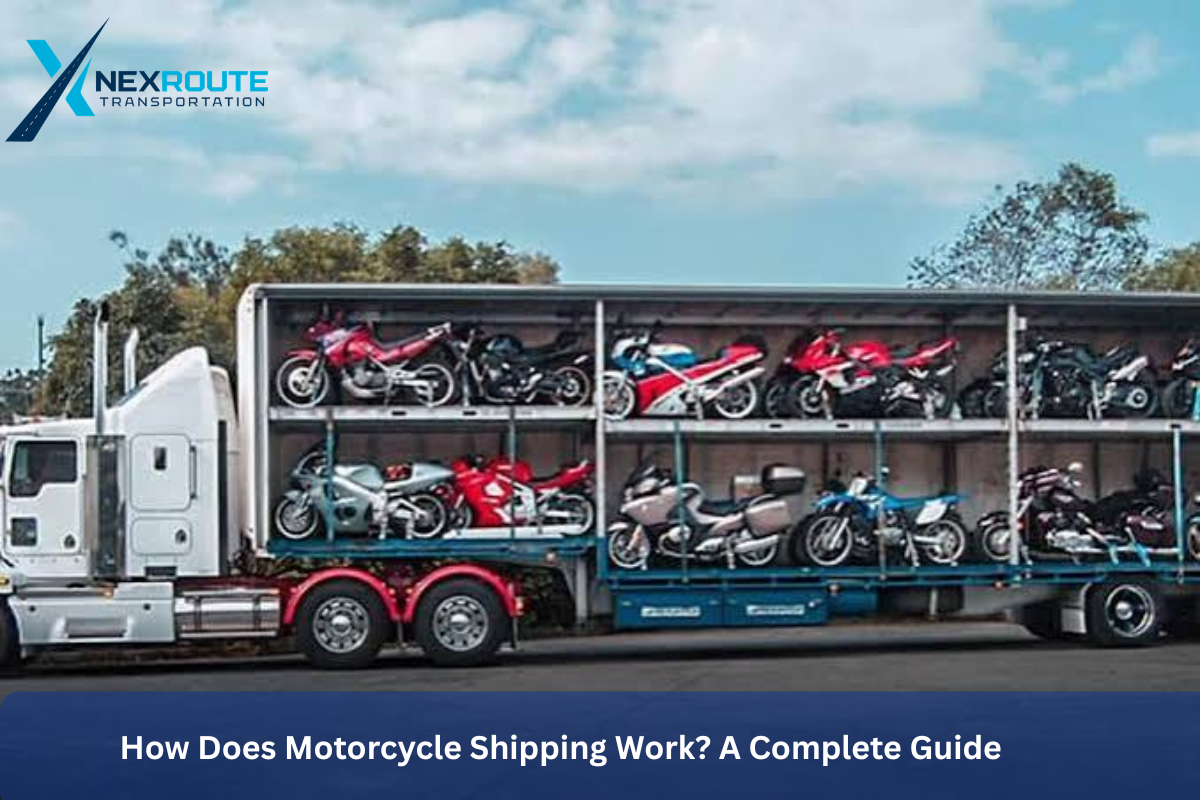
Motorcycle shipping is the process of transporting a motorcycle from one location to another using specialized transportation equipment and professional services. Instead of riding the motorcycle yourself, a carrier moves it by road, usually using a trailer or another appropriate transport setup.
People choose motorcycle shipping services for many different reasons. You might be moving to a new state, buying a motorcycle from an online seller, sending your bike to a vacation destination, or transporting it to a motorcycle show. Long-distance travel can put unnecessary mileage on your bike and may expose you to unpredictable weather, road hazards, and mechanical issues.
Professional transportation provides an alternative. Rather than spending hours or days on the road, you can arrange for your motorcycle to be picked up and delivered to your destination.
However, the exact process can vary depending on the motorcycle, distance, transportation method, and service provider. Therefore, understanding your options before booking is essential.
Step 1: Choose the Right Motorcycle Transport Company
The first step is finding a reputable motorcycle transport company. You will find plenty of transportation providers online, but they do not all offer the same services or level of experience.
Start by researching companies that regularly handle motorcycles. Ask how they transport bikes, what equipment they use, how they protect motorcycles during transit, and whether they offer tracking or shipment updates.
You should also look at customer reviews and overall reputation. Pay attention to feedback about communication, pickup and delivery, vehicle condition, pricing, and customer service.
A professional provider should be willing to answer your questions before you book. Be cautious if someone gives you an unusually low quote without asking basic information about your motorcycle. A reliable company typically needs details such as the bike’s make, model, approximate dimensions, condition, pickup location, and destination to provide a meaningful estimate.
Before making a final decision, compare several providers rather than choosing the first option you find.
Step 2: Request and Compare Motorcycle Shipping Quotes
Once you’ve identified potential transportation companies, the next step is requesting a quote. The motorcycle shipping cost can vary considerably depending on the details of your shipment.
Distance is one of the biggest factors. Shipping a motorcycle across several states will generally involve different transportation costs than moving it within the same region. However, mileage isn’t the only consideration.
Other factors may include:
- Pickup and delivery locations
- Motorcycle size and weight
- Transportation method
- Open or enclosed shipping
- Seasonal demand
- Fuel costs
- Delivery timeframe
- Accessibility of pickup and delivery locations
- Additional services
When you receive a quote, ask what is included. A low estimate may not necessarily represent the best value if important services or fees are excluded.
You should also ask whether the quote is binding or subject to change under specific circumstances. Understanding the pricing structure ahead of time can help you avoid surprises later.
Remember, the cheapest option isn’t automatically the best option. Your goal should be to find a balance between price, protection, service, and reliability.
Step 3: Choose Between Open and Enclosed Motorcycle Transport
One of the biggest decisions you’ll make is choosing the transportation method. The two common options are open motorcycle transport and enclosed transportation.
Open transport typically moves motorcycles in a trailer or carrier where the bike is exposed to outdoor conditions. This option can be more budget-friendly and may work well for standard motorcycles when the owner is comfortable with the additional exposure.
However, exposure to rain, dust, road debris, and changing weather conditions may make open transportation less attractive for certain motorcycles.
Enclosed motorcycle transport, on the other hand, places the motorcycle inside a protected trailer or enclosed transport environment. This option can provide greater protection from weather and road debris.
Enclosed shipping may be particularly appealing for high-value motorcycles, classic bikes, custom motorcycles, or collector’s motorcycles.
Neither option is automatically right for every customer. Consider your motorcycle’s value, condition, customization, and your personal comfort level when deciding.
Step 4: Prepare Your Motorcycle for Shipping
Proper preparation is one of the most important parts of the shipping process. Before your motorcycle leaves your hands, take time to get it ready for transportation.
Start by cleaning the bike. A clean motorcycle makes it easier to identify and document existing scratches, dents, paint damage, or other issues.
Take detailed photos from multiple angles, including the front, rear, sides, wheels, exhaust, fuel tank, and any areas with existing damage. Keep these photos for your records.
Next, remove personal belongings and loose accessories. If your motorcycle has detachable luggage, accessories, or custom components, ask the transportation company whether they should be removed before pickup.
You should also follow the carrier’s instructions regarding fuel levels, alarms, batteries, and other mechanical considerations. Do not make assumptions about preparation requirements because they can vary depending on the carrier and transportation method.
Finally, make sure the motorcycle’s condition is accurately documented during the pickup inspection. Review the inspection report carefully before signing it.
Step 5: Pickup and Inspection
After booking your shipment and preparing the motorcycle, the carrier will arrange a pickup. Depending on your selected service, the carrier may come directly to your home, dealership, business, or another agreed-upon location.
Before loading the motorcycle, the carrier should inspect its condition. This is an important step because it establishes a record of the motorcycle’s condition before transportation.
Compare the inspection information with the photos you took yourself. If you notice anything that isn’t documented, bring it to the carrier’s attention before the motorcycle leaves.
At this point, make sure you understand how the motorcycle will be secured. Professional carriers use appropriate equipment designed to keep motorcycles stable during transportation.
Good communication during pickup can prevent confusion later. Confirm the destination, contact information, estimated delivery timeframe, and any special instructions before the carrier departs.
Step 6: How Your Motorcycle Is Secured During Transit
A motorcycle needs to be secured properly to reduce movement during transportation. Professional carriers use specialized straps, wheel chocks, and other equipment designed for motorcycle transport.
The exact process can vary based on the carrier and trailer, but the goal is always the same: keep the motorcycle stable and protected throughout the trip.
This is one reason professional transportation can be a better choice than improvising a DIY setup. A motorcycle can shift or become damaged if it isn’t secured correctly.
If you are shipping a valuable or customized bike, ask the company how it protects the motorcycle’s paint, bodywork, handlebars, wheels, and other components.
You should also ask whether your motorcycle will share transport space with other bikes and how the carrier prevents contact between vehicles.
A professional carrier should be able to explain its securement process clearly. If the answer is vague, consider that a reason to ask additional questions before booking.
Step 7: Tracking, Transit, and Communication
Once the motorcycle is loaded and transportation begins, communication becomes important. Depending on the company, you may receive updates by phone, email, text, or an online tracking system.
The actual transit time can vary based on distance, route, weather, traffic, road construction, and carrier scheduling. Therefore, delivery dates are often estimates rather than guaranteed arrival times.
For cross-country motorcycle shipping, the journey can involve multiple days and changing road conditions. A reliable transportation provider should communicate meaningful delays rather than leaving you wondering where your motorcycle is.
Before booking, ask how shipment updates work. Find out who you should contact if you have questions and whether you will receive an estimated delivery window.
Good communication can make a significant difference. Even when everything goes according to plan, knowing where your shipment stands can give you peace of mind.
Step 8: Delivery and Final Inspection
When your motorcycle reaches its destination, the carrier will arrange delivery according to the agreed-upon plan.
Before accepting the motorcycle, inspect it carefully. Compare its condition with the inspection report and the photos you took before pickup.
Look at the bodywork, fuel tank, mirrors, handlebars, wheels, exhaust, fairings, and other visible areas. If your motorcycle arrived in the same condition, you can complete the delivery paperwork.
If you notice potential damage, document it immediately. Take clear photos and follow the transportation company’s claims process.
This is why the original inspection and photographs are so important. They create a useful record that allows you to compare the motorcycle’s condition before and after transportation.
Once the inspection is complete and the necessary paperwork is handled, the shipping process is finished.
Door-to-Door Motorcycle Shipping: Is It Worth It?
Door-to-door motorcycle shipping is a popular option because it offers convenience. Instead of taking your motorcycle to a distant terminal, the transportation company attempts to pick it up and deliver it as close to your chosen locations as safely and legally possible.
However, door-to-door does not always mean the carrier can drive directly into every driveway. Large transport vehicles may face challenges with narrow residential streets, low-clearance areas, sharp turns, gates, or limited parking.
If the carrier cannot safely access your exact address, you may be asked to meet at a nearby accessible location. This doesn’t necessarily mean the service has failed—it is often simply a practical safety requirement.
When booking, tell the transportation company about any access restrictions you know about. Providing accurate information upfront can make pickup and delivery much smoother.
What Is Professional Motorcycle Shipping?
For many owners, professional motorcycle shipping provides a practical alternative to riding the bike long distance or arranging a DIY trailer setup.
Professional transportation can save time, reduce mileage, and help you avoid the stress of a long-distance ride. It can also be especially useful when you are relocating, buying a motorcycle from another state, or transporting a bike that you don’t want to ride hundreds of miles.
However, choosing a professional service still requires research. Look for a provider that communicates clearly, explains its transportation methods, offers transparent pricing, and understands motorcycle-specific handling requirements.
The right provider should make the process easier—not leave you with more questions.
Common Motorcycle Shipping Mistakes to Avoid
Even a straightforward shipment can become stressful if you overlook important details. One common mistake is choosing a company based entirely on price. A very low quote may not include the same service or protection as another provider.
Another mistake is failing to document the motorcycle before pickup. Always take photos and review the inspection report carefully.
Customers also sometimes forget to ask about the transportation method. If you’re shipping a valuable motorcycle, understanding the difference between open and enclosed transport can help you make a more informed decision.
Finally, avoid waiting until the last minute. Booking early can give you more scheduling flexibility and time to prepare the motorcycle properly.
Tips for a Smooth Motorcycle Shipping Experience
A successful shipment starts with preparation. Before your pickup date, confirm all the details with the transportation provider.
Keep important information together, including:
- Pickup and delivery addresses
- Carrier contact information
- Shipment details
- Quote and payment information
- Insurance or protection information
- Inspection documents
- Before-shipping photos
- Estimated delivery timeframe
Also, make sure someone is available at pickup and delivery unless you’ve arranged an alternative with the carrier.
Most importantly, communicate openly. If your plans change or you discover an issue with the motorcycle before pickup, tell the transportation company as soon as possible.
A little preparation can turn what feels like a complicated process into a simple checklist.
Choose Nexroute Transportation for Your Motorcycle Shipping Needs
When you need dependable vehicle transportation, Nexroute Transportation can help simplify the process. Whether you’re relocating, buying a motorcycle from another state, or planning a long-distance move, choosing a transportation provider that understands your requirements is important.
Nexroute Transportation provides transportation solutions designed to make vehicle shipping more convenient. When arranging motorcycle transport, customers should discuss the motorcycle’s condition, pickup and delivery locations, preferred timeframe, and transportation requirements before booking.
Whether you need standard transportation or are exploring options such as enclosed service, planning ahead helps ensure the shipment is organized around your needs.
Ready to move your motorcycle? Contact Nexroute Transportation today to discuss your shipping requirements and get started.
Frequently Asked Questions
How does motorcycle shipping work?
Motorcycle shipping typically involves requesting a quote, choosing a transportation method, preparing the motorcycle, completing a pickup inspection, securing the bike for transit, transporting it to the destination, and completing a final inspection upon delivery.
How much does motorcycle shipping cost?
The motorcycle shipping cost depends on factors such as distance, route, motorcycle size and weight, transportation method, season, pickup and delivery locations, and delivery timeframe. Request a detailed quote to understand the expected cost.
How should I prepare my motorcycle for shipping?
Clean the motorcycle, document its condition with photos, remove personal belongings and loose accessories, and follow the carrier’s specific preparation instructions. You should also review the inspection report before pickup.
Is enclosed motorcycle transport better than open transport?
It depends on your motorcycle and priorities. Enclosed motorcycle transport can provide greater protection from weather and road debris, making it attractive for high-value, classic, or customized motorcycles. Open transport may be a more economical option for standard bikes.
How long does motorcycle shipping take?
Shipping time varies based on distance, route, weather, traffic, scheduling, and carrier availability. Cross-country shipments generally require more time than shorter regional moves. Ask your carrier for an estimated delivery window.
Is door-to-door motorcycle shipping available?
Yes, door-to-door motorcycle shipping may be available depending on the transportation provider and location. However, large carriers may not be able to access every driveway or residential street safely.
Can I ship a motorcycle across the country?
Yes. Cross-country motorcycle shipping is commonly used for relocations, vehicle purchases, seasonal travel, motorcycle events, and other long-distance needs. Proper preparation and reliable communication are especially important for longer shipments.
Do I need to empty my motorcycle before shipping?
You should remove personal belongings and loose items before transportation. Always follow the specific instructions provided by your carrier because preparation requirements can vary.
Is professional motorcycle shipping safe?
Professional shipping can be a convenient option when you choose an experienced provider and confirm how the motorcycle will be secured and protected. Ask about transportation methods, inspection procedures, and applicable insurance or protection before booking.
Final Thoughts
Understanding how motorcycle shipping works can take much of the uncertainty out of the process. From choosing the right transportation company and comparing quotes to preparing your bike and inspecting it at delivery, each step plays an important role.
Don’t choose a provider based solely on price. Instead, consider experience, communication, transportation methods, protection, customer feedback, and overall value. If you’re shipping a valuable motorcycle, investing time in research before pickup can give you much greater peace of mind.
Whether you need motorcycle transport for a local move or cross-country motorcycle shipping for a major relocation, professional transportation can save time and help you avoid the demands of a long-distance ride.
Take the time to ask questions, prepare your motorcycle properly, and choose a transportation solution that fits your needs.