
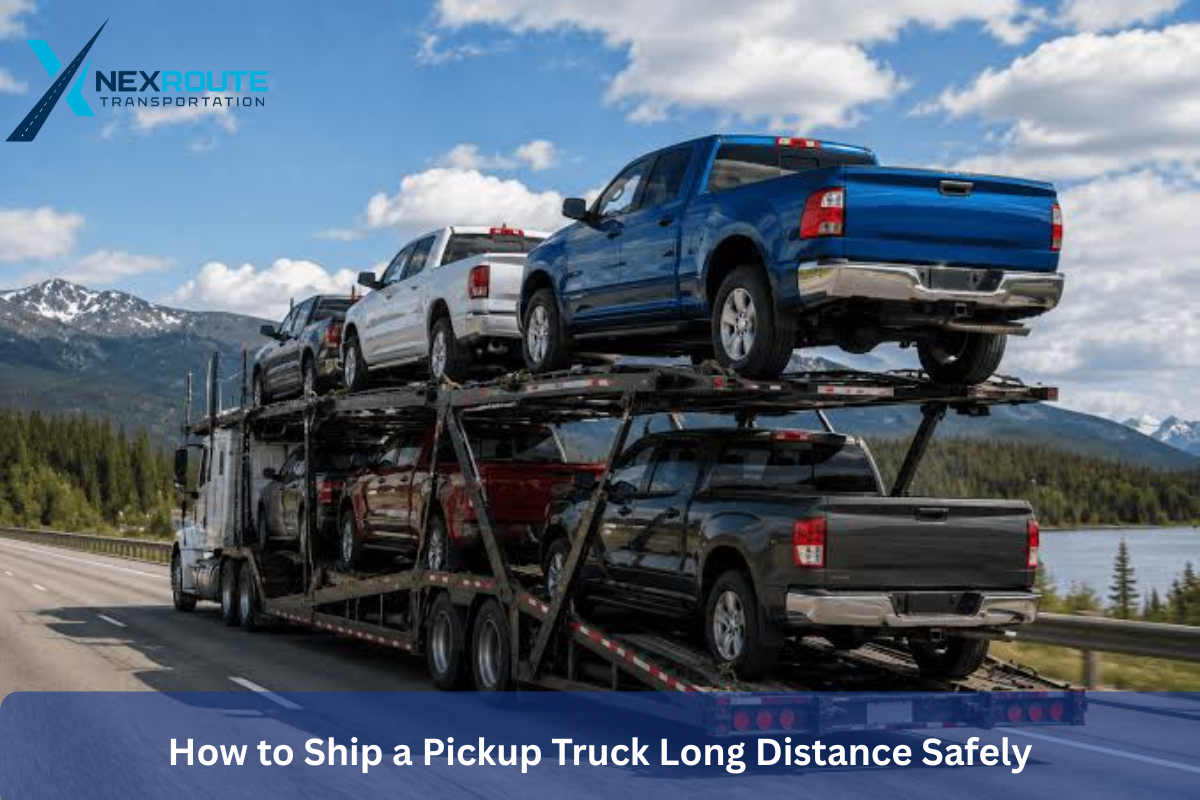
Shipping a pickup truck over a long distance may seem complicated at first. Whether you are moving to another state, buying a truck from a distant seller, relocating for work, or sending a vehicle to a family member, professional transportation can save you time, mileage, and unnecessary stress.
However, safe pickup truck shipping requires more than simply booking the first company you find online. Your truck needs proper preparation, the right transport method, and a dependable carrier. Understanding the process beforehand can help protect your vehicle and make the entire journey much smoother.
From choosing between open and enclosed transport to inspecting your truck at delivery, this guide explains how to ship a pickup truck long distance safely and confidently.
Choose a Reliable Pickup Truck Transport Company
The first and most important step is choosing a trustworthy pickup truck transport company. Long-distance vehicle shipping involves handing your truck over to another party for hundreds or even thousands of miles. Naturally, reliability matters.
Start by researching companies that specialize in vehicle transportation. Look for businesses with experience handling pickup trucks, including full-size and heavy-duty models. A pickup truck may have different dimensions, weight, and clearance requirements than a standard passenger car, so working with an experienced transporter can make a significant difference.
Before booking, consider asking about:
- Transport experience with pickup trucks
- Insurance coverage
- Available transport options
- Pickup and delivery procedures
- Estimated delivery timelines
- Vehicle inspection process
- Communication during transport
It is also wise to read customer feedback and compare several quotes. The lowest price is not always the best choice. An unusually cheap quote may come with delays, limited communication, or unexpected complications.
A reliable company should provide clear information and answer your questions without making the process feel confusing.
Understand Your Pickup Truck Shipping Options
Not every pickup truck needs the same type of transportation. Choosing the right shipping method depends on your budget, vehicle value, condition, and level of protection you want during transit.
The two most common options are open auto transport and enclosed transport.
Open Auto Transport for Pickup Trucks
Open transport is the most commonly used option for long-distance pickup truck shipping. Your truck is loaded onto an open carrier along with other vehicles.
This method is generally more affordable and widely available. Because open carriers transport multiple vehicles at once, they can be a practical solution for standard pickup trucks.
Your vehicle will be securely loaded and transported by a professional carrier. However, it will remain exposed to normal outdoor conditions, such as rain, dust, sunlight, and road debris.
For many everyday pickup trucks, open transport offers an excellent balance between cost and convenience.
Enclosed Pickup Truck Shipping
Enclosed transport provides an additional layer of protection. Your pickup truck travels inside a covered trailer, shielding it from weather and most external road conditions.
This option may be ideal for:
- Classic pickup trucks
- Luxury or high-value trucks
- Custom-built vehicles
- Newly restored pickups
- Trucks with special paintwork
- Vehicles requiring extra protection
Enclosed shipping usually costs more than open transport. Still, the added security can be worthwhile when transporting a valuable or delicate vehicle over a long distance.
Get an Accurate Pickup Truck Shipping Quote
Before scheduling transportation, request a detailed shipping quote. The cost of shipping a pickup truck can vary considerably depending on several factors.
These may include:
- Total shipping distance
- Pickup and delivery locations
- Truck size and weight
- Vehicle condition
- Transport type
- Seasonal demand
- Fuel costs
- Route availability
A larger heavy-duty pickup may cost more to transport than a smaller truck because of its weight and space requirements. Lifted trucks and vehicles with unusual dimensions may also require special consideration.
Provide accurate information when requesting a quote. Let the transport company know the exact make, model, year, and condition of your pickup truck. Mention any modifications as well.
Accuracy helps prevent unpleasant surprises later.
Prepare Your Pickup Truck Before Shipping
Proper preparation plays a major role in safe vehicle transport. Before the carrier arrives, take time to get your pickup truck ready for the journey.
Start by cleaning the exterior. A clean vehicle makes it easier to inspect and document any existing scratches, dents, or cosmetic damage.
Next, remove personal belongings from the truck. Items stored inside the cabin or truck bed can move during transport and potentially cause damage. They may also create complications because vehicle carriers are generally designed to transport vehicles rather than household possessions.
Remove or secure loose accessories, including:
- Toll tags
- Custom antennas
- Detachable accessories
- Loose bed equipment
- Personal items
- External decorations
If your truck has aftermarket modifications, inform the transport company before pickup.
Preparation may feel like a small task, but it can prevent avoidable problems.
Check the Pickup Truck for Existing Damage
Before handing over your vehicle, perform a thorough inspection. Walk around the pickup truck and carefully check its exterior.
Take clear photographs from multiple angles. Capture:
- The front and rear
- Both sides
- Wheels and tires
- Bumpers
- Windows
- Existing dents or scratches
Close-up photographs of existing damage can also be useful.
Most professional transport companies conduct a vehicle inspection before loading. This condition report documents the truck’s appearance before the journey begins.
Read the inspection document carefully before signing it. If something is missing or described incorrectly, ask for clarification.
Good documentation creates a clear baseline. It protects both you and the transportation provider.
Make Sure Your Pickup Truck Is Ready to Operate
Unless you are shipping a non-running vehicle, your pickup truck should generally be in good working condition before transport.
Check the following:
- Battery condition
- Tire pressure
- Brake operation
- Fluid leaks
- Basic steering function
A transport driver may need to move the truck during loading and unloading. Mechanical problems can make this process more difficult.
If your pickup truck does not run, disclose that information when booking. Non-running vehicle transport may require additional equipment and planning.
Never assume the carrier can accommodate an inoperable truck without prior notice.
Keep the Fuel Tank Low
A full fuel tank adds unnecessary weight to your vehicle. For long-distance shipping, it is generally best to keep only a small amount of fuel in the truck.
Around one-quarter of a tank is often sufficient.
The vehicle needs enough fuel for loading and unloading, but carrying excessive fuel increases the overall weight. This can be especially relevant for large pickup trucks.
Avoid sending your truck with an almost empty tank as well. The driver may need to move it at different points during transportation.
A modest fuel level is the practical middle ground.
Check the Pickup Truck Bed
Pickup trucks require one extra area of attention: the truck bed.
Inspect the bed carefully before transport. Remove loose tools, equipment, storage boxes, and other items that could shift during the journey.
Even a heavy object can become problematic if it moves unexpectedly. Loose items may damage the truck or create a safety concern.
If you have a tonneau cover, camper shell, or other accessory, ask the shipping company whether any special preparation is needed.
Clear communication is particularly important for modified trucks.
Consider Ground Clearance and Vehicle Height
Some pickup trucks sit higher than standard vehicles. Lift kits, oversized tires, and suspension modifications can affect loading procedures.
Tell the transport company if your truck has:
- A suspension lift
- Oversized tires
- Modified bumpers
- Extra roof accessories
- Unusual height or width
Providing this information early allows the carrier to plan appropriately.
Vehicle dimensions matter. A small detail that seems insignificant can affect the type of trailer or loading position required.
This is where transparency becomes extremely valuable.
Understand the Pickup and Delivery Process
Once you book your shipment, the transport company will coordinate the pickup and delivery.
Depending on your location, the carrier may be able to provide door-to-door service. However, large transport trucks sometimes cannot safely enter narrow residential streets, certain neighborhoods, or areas with low-hanging branches.
In those situations, you may meet the driver at a nearby accessible location, such as a large parking area.
Stay available around the scheduled pickup window. Transportation schedules can shift because of traffic, weather, road conditions, and other logistical variables.
Flexibility helps.
At delivery, inspect your pickup truck before completing the final paperwork. Compare its condition with the photographs and inspection report created before shipping.
If you notice any concerns, document them immediately and discuss them with the driver.
Ask About Insurance Coverage
Insurance is an important part of long-distance pickup truck transport. Before shipping, ask the company what coverage applies while the vehicle is in transit.
It is also a good idea to review your own auto insurance policy. Some policies may provide additional protection, while others may have specific conditions.
Ask questions such as:
- What damage is covered during transport?
- Are there exclusions?
- What documentation is required if damage occurs?
- How does the claims process work?
Understanding coverage before the truck begins its journey is much easier than trying to resolve confusion afterward.
Stay in Communication With the Transport Company
Communication can make the shipping experience much less stressful.
Keep your phone available around the pickup and delivery periods. The driver or transport coordinator may need to contact you regarding timing, meeting locations, or unexpected changes.
A good transportation company should keep you informed throughout the process.
At the same time, remember that long-distance shipping involves real-world logistics. Weather, traffic congestion, mechanical issues, and route changes can occasionally affect schedules.
Professional communication and realistic expectations make these situations easier to manage.
Inspect Your Pickup Truck at Delivery
The final inspection is one of the most important steps in the entire process.
When your pickup truck arrives, do not rush through the paperwork. Take time to inspect the vehicle carefully.
Compare its current condition with:
- Your pre-shipping photographs
- The original inspection report
- Any notes made at pickup
Look over the exterior in good lighting whenever possible.
If the truck is dirty from normal road travel, some details may be harder to see immediately. Still, carefully examine the vehicle and report any concerns before signing the final delivery documents.
Once everything looks correct, complete the required paperwork and enjoy having your truck safely delivered.
Common Mistakes to Avoid When Shipping a Pickup Truck
A few simple mistakes can make long-distance shipping more complicated than necessary.
Avoid these common problems:
Choosing a Company Based Only on Price
The cheapest quote is not always the best value. Consider service quality, experience, communication, and reliability.
Leaving Personal Items Inside
Remove personal belongings and loose objects before shipping.
Forgetting to Document Vehicle Condition
Take photographs and carefully review the inspection report.
Failing to Disclose Modifications
Always mention lift kits, oversized tires, and other modifications before booking.
Waiting Until the Last Minute
Booking transportation early can provide more flexibility and better scheduling options.
Ignoring Insurance Questions
Understand how coverage works before the journey begins.
Small oversights can create major inconveniences. A little preparation goes a long way.
Final Thoughts
Shipping a pickup truck long distance can be a safe and straightforward process when you prepare properly and choose a reliable transport company. Start by selecting the right shipping method, request an accurate quote, and provide complete details about your vehicle.
Before pickup, clean the truck, remove loose belongings, document its condition, and make sure it is ready for loading. If your pickup has modifications or special requirements, communicate them clearly.
Whether you choose open auto transport for affordability or enclosed shipping for extra protection, careful planning helps safeguard your vehicle from pickup through delivery.
With the right preparation and a dependable pickup truck transport service, you can avoid adding thousands of unnecessary miles to your vehicle and have it transported to its destination with confidence.
Frequently Asked Questions
How much does it cost to ship a pickup truck long distance?
The cost depends on the distance, truck size, transport method, locations, season, and current carrier availability. Requesting a personalized quote is the best way to estimate your shipping cost accurately.
Is open transport safe for a pickup truck?
Yes. Open auto transport is a commonly used and generally safe option for standard pickup trucks. Your vehicle is securely loaded onto a professional carrier, although it remains exposed to normal outdoor conditions.
Should I choose enclosed transport for my pickup truck?
Enclosed transport may be a good choice for classic, luxury, custom, or high-value pickup trucks that need additional protection during transit.
Can I put personal items in my pickup truck during shipping?
It is generally best to remove personal belongings and loose items before shipping. Ask your transport provider about its specific policies.
How far in advance should I book pickup truck shipping?
Booking in advance is recommended whenever possible. Early scheduling gives you more time to compare options and coordinate a convenient pickup window.
Do I need to be present when my pickup truck is delivered?
Usually, you or an authorized representative should be available to receive the vehicle, inspect it, and complete the delivery paperwork.