
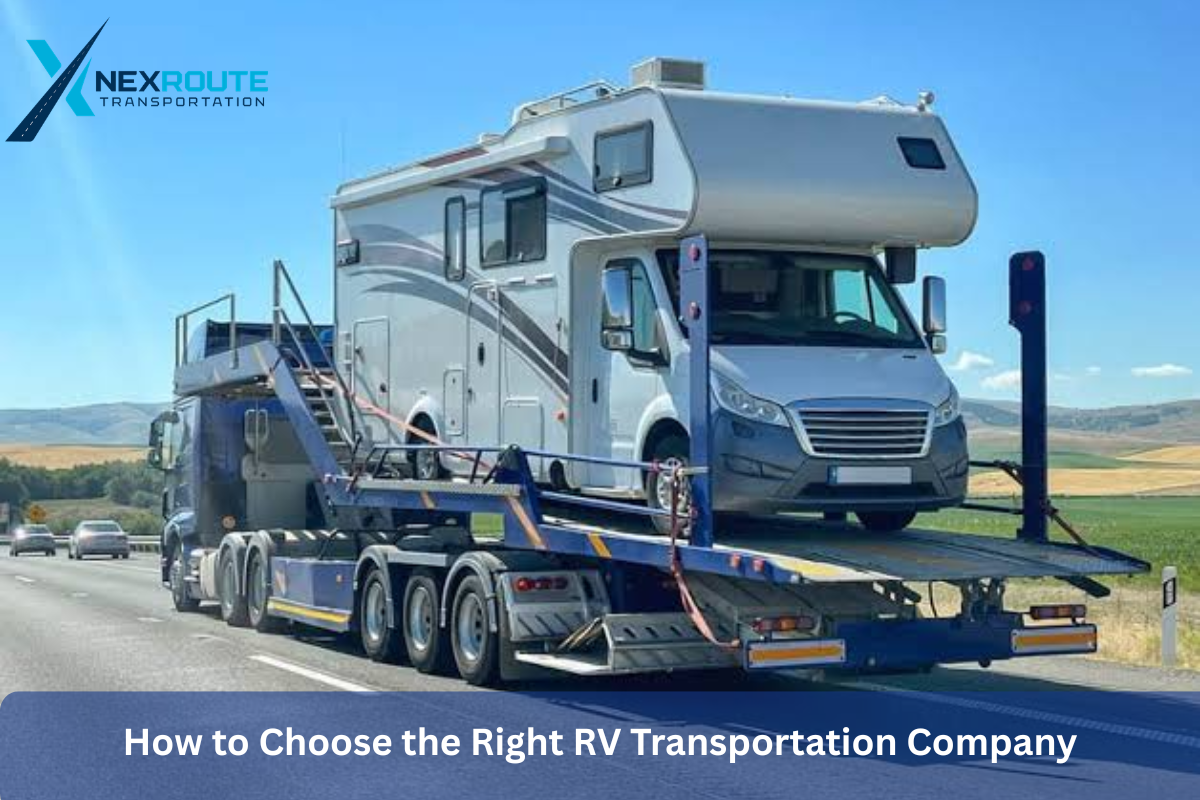
Your RV is more than just a vehicle. It may be your home on the road, a valuable investment, or the key to your next big adventure. So, when you need to move it hundreds or even thousands of miles, choosing the right RV transportation company becomes a decision worth taking seriously.
Maybe you are relocating to another state, buying an RV from across the country, moving your motorhome to a seasonal destination, or simply looking for a safer alternative to driving it yourself. Whatever the reason, the right transportation provider can make the process much easier. However, not every company offers the same experience, service quality, or level of protection.
Price certainly matters, but it should not be your only deciding factor. A good company should understand your specific RV, clearly explain the transportation process, communicate throughout the move, and provide transparent information about costs and coverage. In this guide, you’ll learn exactly what to look for, what questions to ask, and how to confidently choose the right company for your motorhome transportation needs.
Start by Understanding Your RV and Transportation Needs
Before you start comparing companies, take a few minutes to understand exactly what kind of transportation you need. RVs come in many different sizes and configurations, and moving a small travel trailer is very different from arranging transportation for a large motorhome.
For example, you should know your RV’s approximate length, height, weight, condition, and whether it is currently operational. You should also have the pickup and delivery locations ready, along with your preferred timeframe. The more accurate information you provide, the easier it will be for a company to recommend the right RV transport services for your situation.
It also helps to think about what matters most to you. Are you looking for the fastest possible delivery? Is door-to-door convenience your main priority? Do you need a company with experience handling large motorhomes? Once you understand your needs, comparing providers becomes much easier.
In other words, before asking, “How to transport an RV?”, start by asking what type of service best fits your specific vehicle and route.
Choose a Company With Real RV Transportation Experience
Experience should be near the top of your checklist. An RV is not the same as a standard car, and transporting one can involve different equipment, planning, and handling requirements.
A reliable company should understand the differences between travel trailers, fifth wheels, motorhomes, campers, and other RV types. Larger units, in particular, may require careful route planning because of their size, weight, height, and access requirements. Therefore, ask the company whether it has experience moving an RV similar to yours.
You should also ask about the distance of your move. A company may handle short regional moves successfully but have limited experience with long-distance or cross-country transportation. Long trips can involve changing weather, road construction, traffic, mountain routes, fuel stops, and overnight logistics. Experience matters because a professional transporter needs to manage the entire journey, not simply start driving.
When evaluating professional RV transportation, look for a provider that asks detailed questions about your vehicle. A company that wants to know the RV’s size, condition, route, and pickup access is generally taking the move seriously. By comparison, a company that gives an instant quote without learning anything about your RV may deserve a closer look. Competitor guidance also emphasizes matching the transporter’s experience and equipment to the specific RV rather than treating every move the same.
Find Out Who Will Actually Transport Your RV
This is one of the most important questions many customers forget to ask: Who will physically transport my RV?
Depending on the company and service arrangement, the business you first contact may be the actual transportation provider, or it may arrange the move through another carrier. Neither arrangement is automatically better or worse. What matters most is transparency.
Before booking, ask the company to explain exactly how your shipment will be handled. Find out who is responsible for pickup, who will perform the transportation, and who you should contact if you have questions while the RV is on the road.
Clear answers can help you feel more confident about the process. In contrast, vague explanations can create confusion later, especially if you need updates or assistance during a long-distance move.
A trustworthy RV shipping company should be open about the transportation arrangement and explain the process in plain language. You should never feel pressured to book before you understand who is responsible for your RV.
Verify Licensing, Credentials, and Insurance
Before handing over an RV, take time to verify that you are working with a legitimate transportation provider. For interstate moves, you can research motor carriers and brokers through the Federal Motor Carrier Safety Administration’s public licensing and insurance records. This can help you understand how a company operates and whether its public information matches what you have been told.
However, insurance deserves even closer attention. Simply hearing that a company is “fully insured” is not enough. Ask what specific protection applies to your RV during transportation and request clear information about any limits, exclusions, deductibles, or conditions.
RV transport insurance can depend on the type of vehicle, the transportation arrangement, and the policies involved. For example, do not automatically assume that a general cargo policy protects your specific RV in every situation. Ask the provider what coverage applies to your move, and consider checking with your personal RV insurance company as well. The competitor guide highlights this distinction and recommends confirming how protection applies to the specific RV rather than relying on a general insurance claim.
Here are a few important questions to ask:
- What insurance or protection applies to my RV during transport?
- Are there coverage limits or deductibles?
- What happens if damage occurs?
- Is there written documentation explaining the coverage?
- Does my personal RV insurance continue to provide coverage during transport?
Taking the time to understand these details before pickup can prevent major misunderstandings later.
Compare RV Transport Quotes Beyond the Price
Of course, you want a competitive price. However, choosing a company based only on the lowest quote can be risky. A low price may look attractive at first, but you need to understand exactly what you are receiving in return.
The final RV transport cost can depend on several factors, including distance, RV size, weight, route, fuel costs, equipment requirements, scheduling, and pickup and delivery conditions. Because every move is different, two quotes may vary significantly.
When comparing estimates, ask what is included. For example, find out whether the price covers transportation-related fees and whether additional charges could apply under certain circumstances. You should also ask what might cause the final price to change.
A detailed quote gives you a better basis for comparison. Instead of asking only, “Which company is cheapest?” ask, “Which company offers the best value and the clearest service?”
A reliable RV transport provider should explain its pricing clearly and answer your questions without making you feel rushed. The competitor source similarly advises comparing equivalent services and understanding possible price changes rather than assuming the lowest quote offers the best value.
Ask About the Transportation Method
Not every RV moves the same way, so you should understand how your vehicle will actually be transported.
Depending on the type of RV and its condition, the transportation method may involve professional driving, towing, or another specialized arrangement. Ask what equipment will be used and why that method is appropriate for your specific RV.
This is especially important if you own a large motorhome or a towable RV with special requirements. The right equipment and setup can affect both safety and the overall transportation experience.
Ask questions such as:
- How will my RV be transported?
- What equipment will be used?
- Is the setup appropriate for my RV’s size and weight?
- Will the RV be inspected before departure?
- How will its condition be documented?
You should also ask about door-to-door RV transport. This service can be extremely convenient, but large RVs may not be able to safely access every residential street or property. Narrow roads, low branches, tight turns, steep driveways, gates, and limited turnaround space can all affect pickup and delivery.
A professional company should discuss these access issues in advance and help you plan a nearby meeting point if necessary.
Check Reviews, Reputation, and Communication
Reviews can give you valuable insight into the customer experience. While one negative review does not automatically mean a company is unreliable, repeated complaints about the same problems should get your attention.
Look for feedback about communication, on-time pickup, delivery reliability, professionalism, pricing transparency, and how the company handled unexpected issues. You can also ask other RV owners for recommendations and research the company’s overall reputation.
Just as importantly, pay attention to how the company communicates with you before you book. Do they answer questions clearly? Do they return calls or messages promptly? Do they explain the process instead of giving vague promises?
Communication becomes even more important during long-distance motorhome transportation. Weather, road closures, traffic, mechanical issues, and other unexpected events can affect delivery times. You may not need constant updates, but you should know how the company will communicate meaningful changes.
A company that communicates poorly before earning your business may not suddenly become highly responsive once your RV is already on the road. Choose a provider that makes communication easy from the beginning. Clear communication and meaningful updates during multi-day transportation are also key factors emphasized in the competitor’s checklist.
Understand the Inspection and Preparation Process
A smooth RV move should begin before the vehicle ever leaves the pickup location. Ask the company what inspection process it follows and how the RV’s condition will be documented.
Before transportation, you should also inspect your RV yourself. Take clear photos and videos of the exterior and note any existing damage. If possible, keep copies of inspection documents for your records.
Next, prepare the RV for the trip. Secure loose belongings, close and lock doors and compartments, retract slide-outs, secure awnings, and make sure windows and vents are properly closed. If your RV has been sitting for a long time, pay special attention to tires and other components that may have deteriorated during storage.
The competitor article makes an especially useful point here: tire tread alone does not tell the full story. RV tires can look fine while still suffering from age, cracking, weather exposure, or long periods of inactivity. Checking the vehicle carefully before a long trip can help identify problems before they become roadside emergencies.
If you are unsure how to transport an RV safely, ask the company for a preparation checklist based on your RV type and transportation method. A knowledgeable provider should be willing to explain what you need to do before pickup.
Watch for These Important Red Flags
Knowing what to avoid can be just as valuable as knowing what to look for. Before choosing a company, watch for warning signs that suggest you need to investigate further.
Be cautious if a provider:
- Gives a quote without asking basic questions about your RV
- Offers a price that seems unrealistically low
- Cannot clearly explain who will transport your vehicle
- Gives vague answers about insurance or protection
- Refuses to explain possible additional charges
- Pressures you to book immediately
- Is difficult to contact
- Provides inconsistent information
- Has repeated complaints about communication or service
No single issue automatically proves that a company is unreliable. Still, several red flags together should encourage you to slow down and do more research.
Your RV may represent a significant financial investment. Therefore, saving a small amount of money may not be worth the risk of poor communication, unclear protection, or an inexperienced transporter. Choose value, professionalism, and transparency over a quote that simply looks cheap.
Ask These Questions Before You Book
Before making your final decision, create a short list of questions and ask every company you are seriously considering. This makes it easier to compare answers fairly.
Ask:
- Do you regularly transport my type and size of RV?
- Who will physically transport my RV?
- What credentials apply to my move?
- What RV transport insurance or protection applies?
- What is included in my quote?
- Could additional charges apply?
- How will the RV be inspected before pickup?
- How will you document its condition?
- How will I receive updates during transportation?
- What happens if bad weather delays delivery?
- What do I need to do before pickup?
- Are there access restrictions at pickup or delivery?
- Who should I contact if I have a problem?
A good company should answer these questions clearly and professionally. In fact, how a company responds may tell you as much as the answers themselves.
If you receive vague responses or feel pressured to make a decision quickly, consider that a reason to keep looking.
Choose the Company That Gives You Confidence
After comparing experience, pricing, reviews, communication, insurance information, and transportation options, take a step back before making your final choice.
The best RV transportation company is not always the largest company or the one with the lowest price. Instead, look for a provider that understands your specific needs and makes you feel confident about the entire process.
For example, if you are transporting a large RV across several states, long-distance experience and regular communication may be your top priorities. On the other hand, if convenience matters most, door-to-door RV transport may be the right option.
At Nexroute Transportation, the goal is to help make vehicle transportation simpler by providing dependable solutions based on each customer’s needs. When arranging professional RV transportation, it is important to consider your RV type, route, schedule, and delivery requirements before selecting the right service.
Taking a few extra steps before booking can help you avoid unnecessary surprises and choose a transportation solution with greater confidence.
Ready to Choose the Right RV Transportation Company?
Choosing the right provider does not have to feel overwhelming. Start by understanding your RV and transportation needs, then compare companies based on experience, credentials, insurance, pricing, communication, and service options.
Do not rush your decision simply because you found a low quote. Ask questions, review the details, and make sure you understand how your RV will be handled from pickup to delivery.
When you focus on transparency and professionalism, you are more likely to find reliable RV transport that fits your needs and gives you peace of mind.
Ready to move your RV or motorhome? Contact Nexroute Transportation today to discuss your transportation needs and explore the right solution for your next move.
Frequently Asked Questions
How do I choose a reliable RV transportation company?
Look for a company with experience transporting your type of RV, clear pricing, transparent information about insurance, positive customer feedback, and strong communication. You should also understand who will physically transport your RV and how the move will be handled.
How much does RV transportation cost?
The RV transport cost depends on factors such as distance, RV size and weight, route, fuel costs, transportation method, scheduling, and pickup and delivery conditions. Request detailed quotes so you can compare what each company actually includes.
Does an RV transportation company provide insurance?
Insurance arrangements can vary, so do not rely only on a general statement that a company is insured. Ask what specific RV transport insurance or protection applies to your RV and whether there are limits, exclusions, or deductibles. You should also check your personal insurance policy.
What is door-to-door RV transport?
Door-to-door RV transport means the company attempts to pick up and deliver your RV as close to your requested locations as safely and legally possible. However, large vehicles may face access restrictions because of narrow roads, low clearance, tight turns, or other obstacles.
How should I prepare my RV for transportation?
Secure loose items, close and lock doors and compartments, retract slide-outs, secure exterior features, and document the RV’s condition with photos. If the RV has been sitting for an extended period, consider checking tires, brakes, lights, and other important components before transport.
Can I transport an RV across the country?
Yes. Long-distance RV transport services can move qualifying RVs across multiple states. Because cross-country transportation involves additional logistics, choose a company with relevant experience and ask how it handles route planning, communication, weather delays, and delivery scheduling.
How long does RV transportation take?
The timeframe depends on the distance, route, weather, traffic, transportation method, and scheduling. Ask your transportation provider for an estimated pickup and delivery window rather than assuming an exact arrival time.
Final Thoughts
Choosing the right RV transportation company is about much more than finding the lowest price. Your decision should be based on experience, transparency, proper credentials, clear insurance information, communication, and a transportation method that fits your specific RV.
Take the time to compare your options and ask detailed questions before booking. A dependable provider should make the process easier to understand, not more confusing. Most importantly, choose a company that gives you confidence that your RV will be handled with care from pickup through delivery.
Whether you are moving across the country, purchasing a new RV, or relocating your motorhome to a seasonal destination, the right planning and the right transportation partner can make all the difference. For your next move, choose carefully, ask questions, and put reliable service ahead of shortcuts.