
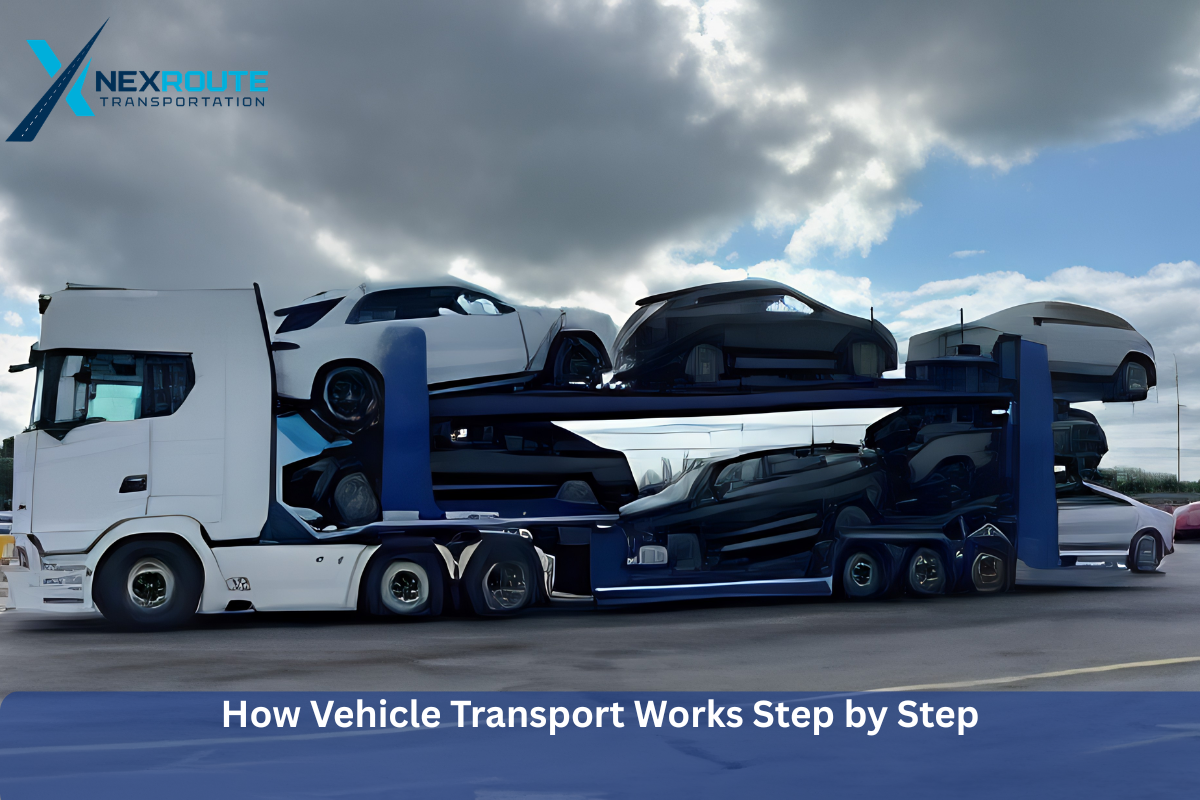
Shipping a vehicle may seem overwhelming if you’ve never done it before, but the process is much simpler than many people expect. Whether you’re relocating to a new state, buying a car online, sending a vehicle to a family member, or transporting a classic automobile, professional Auto Transport services make moving your vehicle safe, convenient, and efficient. Instead of putting unnecessary miles on your car or spending days on the road, you can rely on experienced transport professionals to handle the journey for you.
Understanding How Vehicle Transport Works Step by Step helps you know exactly what to expect from beginning to end. From requesting a Car Shipping Quote to scheduling pickup and completing Vehicle Delivery, every stage is designed to make the process as seamless as possible. In this guide, we’ll walk you through each step, explain your shipping options, and share practical tips that will help you prepare your vehicle while choosing the right Vehicle Transport Company for your needs.
Why Vehicle Transport Is a Smart Choice
Professional Vehicle Shipping has become increasingly popular because it offers convenience, saves time, and helps protect your vehicle from unnecessary wear and tear. Driving hundreds or even thousands of miles adds mileage, increases fuel expenses, and exposes your vehicle to road hazards, weather conditions, and unexpected mechanical issues. By choosing a trusted Car Transport Service, you can avoid these risks while allowing experienced drivers to handle the transportation.
Vehicle transport is useful for many situations, including cross-country moves, military relocations, college transfers, seasonal travel, dealership deliveries, online vehicle purchases, and corporate fleet management. Whether you’re transporting a family sedan or a luxury vehicle, professional shipping allows you to focus on your move while your vehicle safely travels to its destination.
Working with an experienced Vehicle Transport Company also provides peace of mind. Reputable companies coordinate scheduling, communicate throughout the shipment, and work with licensed and insured carriers to ensure your vehicle is handled with care from pickup to delivery.
Step 1: Request a Car Shipping Quote
Every successful shipment begins with obtaining a Car Shipping Quote. This estimate gives you an idea of what your transportation will cost based on several important factors. Most companies ask for details such as your pickup and delivery locations, vehicle make and model, preferred shipping dates, and your preferred transport option.
Providing accurate information is essential because it helps the transport provider offer the most reliable estimate possible. Vehicle size, route popularity, seasonal demand, and fuel prices can all influence the final price. Being flexible with your shipping dates may also help you secure more scheduling options and potentially lower costs.
As you compare quotes, don’t focus only on the lowest price. Instead, evaluate what’s included in the service. A reputable Vehicle Transport Company will provide transparent pricing, explain any additional charges, and answer your questions before you commit. Reading customer reviews and confirming licensing and insurance are also smart steps before making your final decision.
Step 2: Choose the Right Transport Option
Once you’ve accepted your quote, it’s time to select the transportation method that best suits your vehicle. The two most common choices are Open Car Transport and Enclosed Car Transport, and understanding the differences can help you make an informed decision.
Open Car Transport is the industry’s most popular shipping option because it’s both affordable and efficient. Vehicles are transported on open trailers similar to those used by automobile dealerships. Since multiple vehicles can be shipped simultaneously, customers typically enjoy lower transportation costs and increased carrier availability. This option is ideal for standard cars, SUVs, pickup trucks, and most everyday vehicles.
If you’re shipping a luxury, exotic, antique, or collector vehicle, Enclosed Car Transport offers additional protection. Vehicles are transported inside covered trailers, shielding them from weather, road debris, dust, and other external elements during transit. Although enclosed transport generally costs more, many owners appreciate the extra peace of mind it provides for valuable automobiles.
Your transport specialist can help you determine which option best matches your vehicle, budget, and shipping priorities.
Step 3: Schedule Pickup and Prepare Your Vehicle
After selecting your shipping method, your transporter will schedule a pickup date that works for both you and the carrier. Preparing your vehicle before pickup is an important part of the Auto Shipping Process because it helps prevent delays and ensures a smooth experience.
Begin by washing your vehicle thoroughly. A clean exterior makes it much easier to identify any existing scratches, dents, or cosmetic damage during the inspection. Taking clear photos of your vehicle from multiple angles is another good practice, as these images provide a helpful record of its condition before shipping.
Next, remove personal belongings from inside the vehicle unless your shipping provider specifically allows limited items. Loose objects may shift during transport and are generally not covered by carrier insurance. You should also remove detachable accessories such as bike racks, roof cargo boxes, and custom antennas whenever possible.
Finally, make sure your vehicle is in good operating condition. Check the battery, tire pressure, fluid levels, and brakes. Leave approximately one-quarter tank of fuel, disable alarm systems if necessary, and provide the carrier with a working set of keys. Completing these simple tasks helps ensure a safe and efficient pickup.
Step 4: Vehicle Inspection and Loading
On pickup day, the driver performs a detailed inspection of your vehicle before loading it onto the carrier. This inspection is one of the most important steps in the auto shipping process, as it documents your vehicle’s current condition before transportation begins.
During the inspection, both you and the driver review the exterior together, noting any existing dents, scratches, paint chips, or other cosmetic imperfections. These details are recorded on a Bill of Lading, which serves as the official condition report for your shipment. Taking a few extra minutes during this step provides valuable protection for both parties.
Once the inspection is complete, your vehicle is carefully loaded onto the transport trailer using professional equipment and secure tie-down systems. Experienced drivers follow established safety procedures to ensure every vehicle remains stable throughout the journey. Whether you’ve selected Open Car Transport or Enclosed Car Transport, your vehicle is secured according to industry best practices before beginning its trip to the destination.
Step 5: Your Vehicle Is Transported Safely to Its Destination
After your vehicle has been loaded and secured, the transportation phase officially begins. During this stage, professional drivers follow planned routes to move your vehicle safely and efficiently to its destination. Depending on the distance, weather conditions, traffic, and delivery schedule, transit times can vary from a couple of days to over a week for cross-country shipments.
A reputable Vehicle Transport Company works hard to keep customers informed throughout the journey. Many companies provide shipment updates, estimated arrival windows, or customer support representatives who can answer questions during transit. While exact delivery times may occasionally change because of weather or road conditions, experienced carriers communicate any delays promptly.
Professional transport drivers are trained to follow strict safety standards while hauling multiple vehicles. Regular inspections, route planning, and compliance with transportation regulations all contribute to a smooth shipping experience. This level of expertise is one of the main reasons many people choose professional Vehicle Shipping instead of driving their vehicles themselves.
Step 6: Vehicle Delivery and Final Inspection
The final stage of the Auto Shipping Process is Vehicle Delivery. Once the carrier arrives at the destination, you’ll have the opportunity to inspect your vehicle before officially accepting delivery.
Take your time during this inspection. Compare your vehicle’s current condition with the photos you took before shipment and review the Bill of Lading completed during pickup. Most deliveries go smoothly, but performing a careful inspection ensures that everything matches the original condition report.
After confirming your vehicle’s condition, you’ll sign the final paperwork, completing the shipping process. If you notice any issues, report them immediately so they can be documented properly. Working with a reliable Vehicle Transport Company makes this final step simple because professional carriers follow established procedures designed to protect both the customer and the transporter.
Once the paperwork is complete, your vehicle is ready to drive, allowing you to continue your move, enjoy your newly purchased vehicle, or simply appreciate the convenience of professional transportation.
Common Mistakes to Avoid During Vehicle Shipping
Even though shipping a vehicle is relatively straightforward, avoiding a few common mistakes can make the experience even better. One of the biggest mistakes is waiting until the last minute to schedule transportation. Booking early usually provides more carrier availability, greater scheduling flexibility, and better pricing options.
Another mistake is choosing a shipping company based solely on the cheapest quote. While saving money is important, extremely low prices may indicate limited services or hidden fees. Instead, compare customer reviews, insurance coverage, licensing, communication, and overall reputation before making your decision.
Some customers also forget to prepare their vehicles properly before pickup. Leaving personal belongings inside the car, failing to document existing damage, or ignoring maintenance issues can create unnecessary complications. Following a simple preparation checklist helps prevent delays and ensures a smoother shipment.
Finally, make sure you choose the appropriate shipping method. Open Car Transport is ideal for most everyday vehicles, while Enclosed Car Transport offers additional protection for luxury, classic, antique, or exotic automobiles. Selecting the right option protects your investment while matching your transportation needs.
Tips for a Smooth Vehicle Transport Experience
A little planning goes a long way when shipping a vehicle. First, schedule your shipment as early as possible, especially during busy moving seasons. Early booking gives you more flexibility and increases the likelihood of securing your preferred pickup date.
Next, communicate clearly with your shipping provider. Confirm pickup and delivery locations, provide accurate contact information, and ask questions if anything is unclear. Staying informed throughout the process helps eliminate unnecessary stress.
It’s also wise to understand your insurance coverage before transport begins. Ask your provider what is included and whether additional coverage is available if needed. Having this information beforehand gives you greater confidence throughout the shipment.
Most importantly, work with an experienced Car Transport Service that values transparency, customer support, and timely communication. A trustworthy company will guide you through every stage of the shipping process and help ensure your vehicle arrives safely.
Why Choosing the Right Vehicle Transport Company Matters
The success of your shipment depends largely on the company you choose. An experienced Vehicle Transport Company doesn’t simply move vehicles—it provides peace of mind through professional service, clear communication, and dependable logistics.
Reliable transport providers work with licensed and insured carriers, offer accurate Car Shipping Quote estimates, explain the Auto Shipping Process clearly, and remain available to answer customer questions throughout the shipment. This level of service reduces uncertainty and creates a better overall experience.
Whether you’re shipping a family vehicle, motorcycle, SUV, luxury automobile, or collector’s car, partnering with a reputable provider ensures your vehicle receives the care and attention it deserves. Investing in quality transportation often saves time, minimizes stress, and helps protect one of your most valuable assets.
Frequently Asked Questions
1. How does vehicle transport work?
Vehicle transport begins with requesting a Car Shipping Quote, scheduling pickup, preparing your vehicle, transporting it safely, and completing a final Vehicle Delivery inspection.
2. How long does vehicle shipping take?
Delivery time depends on distance, weather, traffic, and route availability. Short-distance shipments may take a few days, while cross-country transport often takes one to two weeks.
3. What is the difference between open and enclosed transport?
Open Car Transport is the most affordable option and works well for most vehicles. Enclosed Car Transport offers additional protection from weather and road debris, making it ideal for luxury, antique, or exotic cars.
4. How much does vehicle transport cost?
Pricing varies based on distance, vehicle size, shipping method, season, fuel prices, and pickup and delivery locations. Requesting a personalized Car Shipping Quote provides the most accurate estimate.
5. Is my vehicle insured during transport?
Most professional carriers include cargo insurance. Always confirm coverage details with your shipping provider before booking your shipment.
6. Can I leave personal belongings inside my vehicle?
Most transport companies recommend removing personal items because they are generally not covered under the carrier’s insurance and may increase vehicle weight.
7. When should I schedule my shipment?
Booking at least one to three weeks in advance is recommended. Early scheduling improves carrier availability and provides greater flexibility.
8. Why should I hire a professional vehicle transport company?
Professional transport companies save time, reduce vehicle wear and tear, provide insurance protection, and make long-distance moves much more convenient than driving yourself.
Final Thoughts
Learning How Vehicle Transport Works Step by Step removes much of the uncertainty from the shipping process. From requesting a Car Shipping Quote to preparing your vehicle and completing the final Vehicle Delivery, each step is designed to make transportation as safe and efficient as possible.
Whether you’re relocating across the country, purchasing a vehicle online, or shipping a prized collector’s car, choosing professional Auto Transport services allows you to save time, reduce stress, and avoid unnecessary mileage on your vehicle. Understanding the Auto Shipping Process, selecting between Open Car Transport and Enclosed Car Transport, and partnering with a trusted Vehicle Transport Company will help ensure a successful shipping experience from beginning to end.
By planning ahead, preparing your vehicle properly, and working with experienced transportation professionals, you can enjoy a smooth, reliable, and worry-free shipping experience every time.