
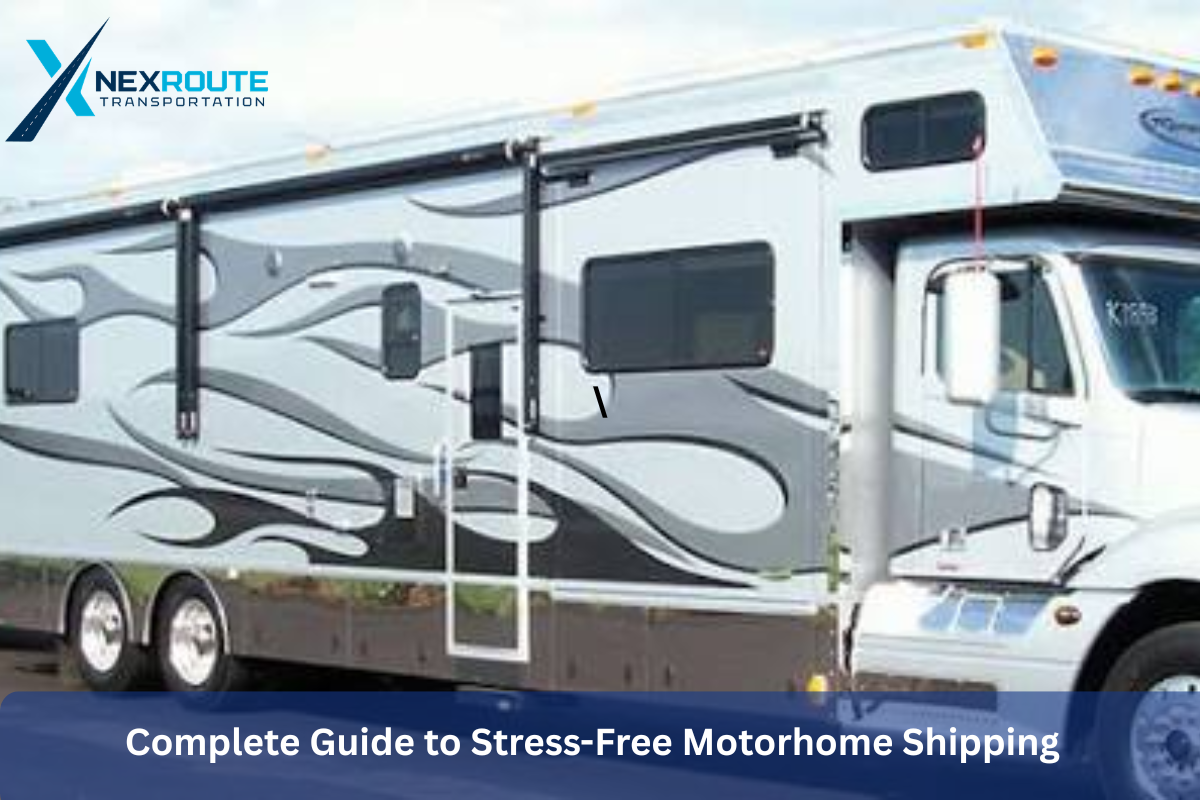
Shipping a motorhome can feel like a major undertaking. After all, a motorhome is much larger than a standard car and often represents a significant investment. Whether you are relocating, purchasing an RV from another state, moving seasonally, or sending your motorhome to a vacation destination, professional transport can make the journey far more convenient.
Driving a motorhome across hundreds or thousands of miles is not always practical. Long road trips can add substantial mileage, increase fuel expenses, cause wear and tear, and demand days of your time. Motorhome shipping offers an alternative. With proper planning and a reliable transport company, you can move your vehicle safely without handling the entire journey yourself.
The key is preparation.
Understanding how motorhome shipping works, what transport options are available, and how to prepare your vehicle can help eliminate unnecessary stress. This complete guide walks through the essential steps for a smooth and successful motorhome shipping experience.
Understand How Motorhome Shipping Works
Motorhome shipping involves transporting your RV or motorhome from one location to another using professional equipment and experienced drivers. Depending on the size, weight, and type of motorhome, the transportation method may vary.
Some motorhomes can be driven to their destination by a professional driver. Others may require specialized hauling equipment. Towable RVs and trailers can also be transported using appropriate towing arrangements.
Before booking, the transport company will usually need important details about your motorhome, including:
- Make and model
- Year
- Overall length
- Height and width
- Weight
- Vehicle condition
- Pickup location
- Delivery location
These details help determine the safest and most suitable transportation method.
Accuracy matters here. A few inches of additional height or a significant difference in weight can affect the logistics of the shipment.
Choose the Right Motorhome Shipping Company
Selecting the right transportation company is one of the most important decisions in the entire process.
Motorhomes are not ordinary vehicles. They can be long, heavy, tall, and mechanically complex. Transporting them requires experience, careful planning, and appropriate equipment.
Look for a company that understands RV and motorhome transport. Ask about its experience with vehicles similar to yours and find out how the company handles oversized or specialized units.
A dependable motorhome shipping company should provide clear information about:
- Available transport methods
- Estimated pickup and delivery windows
- Insurance coverage
- Vehicle inspection procedures
- Communication during transit
- Requirements for preparing the motorhome
Do not choose based only on the lowest price.
A suspiciously cheap quote may appear attractive, but service quality, experience, and communication are equally important. Shipping a valuable motorhome is a significant logistical commitment, so reliability should be a priority.
Know Your Motorhome Transport Options
Different motorhomes require different shipping solutions. Understanding your options can help you choose the method that fits your vehicle and budget.
Drive-Away Motorhome Transport
In some cases, a qualified professional driver may transport the motorhome by driving it to the destination.
This option can be suitable for motorhomes that are in good operating condition and ready for a long journey. However, the vehicle will accumulate additional mileage during transport.
For owners who want to avoid putting extra miles on their motorhome, another transport method may be preferable.
Flatbed or Specialized Trailer Transport
Smaller motorhomes or RVs may sometimes be transported on a specialized trailer or flatbed. This approach can prevent additional mileage from being added to the vehicle.
However, the motorhome’s size and weight must be compatible with the equipment.
Large Class A motorhomes may require more specialized logistics because of their dimensions.
Towing and Specialized RV Transport
Towable RVs and certain types of recreational vehicles may be moved using professional towing equipment.
The exact method depends on the design, weight, and condition of the vehicle. The shipping company can determine which approach is appropriate after reviewing the specifications.
Choosing the right method from the beginning helps prevent unnecessary complications later.
Get an Accurate Motorhome Shipping Quote
The cost of shipping a motorhome depends on several variables. There is no single price that applies to every shipment.
Important factors include:
- Total distance
- Motorhome size
- Weight
- Transport method
- Pickup and delivery locations
- Seasonal demand
- Fuel prices
- Route accessibility
- Vehicle condition
Larger motorhomes often require more specialized equipment and planning. Naturally, this can affect the final cost.
When requesting a quote, provide precise information about your motorhome. Do not estimate the dimensions if accurate specifications are available.
Include any modifications, unusual features, or mechanical concerns as well.
A transparent quote is far more useful than an artificially low estimate that changes later.
Inspect Your Motorhome Before Shipping
Before your motorhome begins its journey, conduct a detailed inspection.
Walk around the exterior and look carefully for existing dents, scratches, cracks, or other cosmetic damage. Take photographs from multiple angles and capture clear images of the:
- Front
- Rear
- Driver’s side
- Passenger’s side
- Windows
- Mirrors
- Exterior compartments
- Wheels and tires
Documenting the condition of your motorhome provides a useful reference point for delivery.
The transport provider may also complete a vehicle condition report before shipment. Review this document carefully and make sure existing damage is accurately recorded.
Do not rush through the inspection.
A few extra minutes can provide valuable peace of mind.
Remove Personal Belongings and Loose Items
Motorhomes often contain much more than a standard vehicle. Cabinets, storage compartments, kitchens, bathrooms, and living spaces can hold a surprising number of belongings.
Before shipping, remove valuable personal items and anything that could shift during transport.
Consider removing:
- Electronics
- Important documents
- Jewelry
- Fragile decorations
- Loose kitchen items
- Personal belongings
- Small appliances
- Unsecured equipment
Even objects stored inside cabinets can move when the motorhome travels over uneven roads.
Check every compartment.
A careful interior sweep can prevent breakage and clutter from becoming a problem during transit.
Secure Interior Cabinets and Doors
Once the motorhome is emptied and organized, make sure cabinets, drawers, and interior doors are securely closed.
Travel vibrations can cause unsecured components to open unexpectedly. A loose cabinet door may swing repeatedly during the journey, while drawers can slide open and scatter their contents.
Check:
- Kitchen cabinets
- Bathroom storage
- Bedroom drawers
- Closet doors
- Refrigerator doors
- Exterior storage compartments
Secure anything that could move.
This simple precaution helps protect both the interior and the items that remain inside.
Prepare the Exterior for Transport
The outside of your motorhome also requires attention.
Remove or secure accessories that could be damaged during transportation. Depending on your vehicle, this may include detachable antennas, satellite equipment, exterior decorations, or other protruding components.
Retract awnings completely and make sure they are locked in place.
Close all windows and roof vents securely.
If your motorhome has slide-outs, ensure they are fully retracted and secured before pickup.
These components are designed for comfort when parked, not for remaining extended during transportation.
A proper exterior inspection should be part of your final preparation routine.
Check Tires, Battery, and Mechanical Condition
If your motorhome will be driven or moved under its own power during any part of the transport process, it should be in safe operating condition.
Check the basics before pickup:
- Tire pressure
- Battery charge
- Brake operation
- Steering function
- Fluid leaks
- Warning lights
If the motorhome has a mechanical issue, inform the transport company before booking.
A non-running vehicle may still be transportable, but it could require different equipment and additional planning.
Never leave important mechanical information undisclosed.
Unexpected problems can disrupt the entire loading process.
Keep the Fuel Level Low
A full fuel tank adds considerable weight, especially in a large motorhome.
In most cases, keeping the fuel level relatively low is a practical choice. The vehicle should have enough fuel for loading, unloading, and any necessary repositioning, but excessive fuel is generally unnecessary.
Ask the transport company for its preferred fuel level before pickup.
Following the company’s instructions can help avoid confusion and ensure the motorhome is prepared correctly.
Measure Your Motorhome Carefully
Size is a major factor in motorhome shipping.
Before requesting transportation, confirm the exact:
- Length
- Height
- Width
- Weight
Include any roof-mounted equipment or modifications that affect the overall dimensions.
A motorhome that appears standard may have additional height from air conditioning units, satellite equipment, or other rooftop accessories.
Precise measurements allow the transport company to select suitable equipment and plan the route appropriately.
This information is not merely administrative. It is part of the operational blueprint for moving the vehicle safely.
Plan for Pickup and Delivery Access
Large motorhomes need space.
Your home address may be convenient for a passenger car, but a large transport vehicle may not be able to access narrow streets, low bridges, tight turns, or neighborhoods with restricted entry.
Discuss pickup and delivery access before shipping.
You may need to meet the carrier at a nearby location with more room, such as a large parking lot or commercial area.
Choose a location that allows the driver to maneuver safely.
Planning this in advance prevents last-minute detours and unnecessary delays.
Understand Motorhome Shipping Insurance
Before shipping, ask the transportation company about insurance coverage during transit.
Find out what protection is included and whether there are limitations or exclusions.
Important questions include:
- What type of damage is covered?
- Is there a deductible?
- What situations are excluded?
- How should damage be reported?
- What documentation is required for a claim?
It is also a good idea to review your personal RV or motorhome insurance policy.
Understanding the coverage landscape before transport gives you greater confidence throughout the process.
Stay Available During Pickup and Delivery
Motorhome shipping schedules can be affected by several factors, including traffic, weather, road closures, and other deliveries along the route.
Keep your phone accessible around the expected pickup and delivery windows.
The driver or shipping coordinator may need to contact you about:
- Updated arrival times
- Meeting locations
- Route changes
- Accessibility concerns
Clear communication is one of the simplest ways to make the experience less stressful.
While exact timing is always desirable, flexibility is often necessary when transporting a large vehicle over a long distance.
Inspect Your Motorhome at Delivery
When your motorhome arrives, perform another detailed inspection before completing the final paperwork.
Compare the vehicle’s condition with the photographs and inspection report created before shipping.
Check the:
- Exterior body
- Windows
- Mirrors
- Tires
- Storage compartments
- Roof-mounted components
- Interior cabinets and fixtures
If you notice any concerns, document them immediately.
Take photographs and make sure the issue is recorded appropriately before signing the delivery paperwork.
A careful final inspection is your last opportunity to verify the motorhome’s condition while the transport process is being completed.
Common Motorhome Shipping Mistakes to Avoid
Avoiding a few common mistakes can make your shipping experience significantly smoother.
Choosing the Cheapest Quote Without Research
Low prices can be tempting, but experience and service quality should also influence your decision.
Providing Incorrect Vehicle Dimensions
Always provide accurate measurements and specifications.
Leaving Loose Items Inside
Unsecured belongings can shift and cause interior damage during transport.
Forgetting to Retract Awnings and Slide-Outs
Check all movable exterior components before pickup.
Failing to Document Existing Damage
Photographs and inspection reports create an important record of the vehicle’s condition.
Ignoring Pickup and Delivery Access
Large vehicles need adequate space for safe loading and unloading.
Waiting Until the Last Minute
Booking early gives you more time to compare options and coordinate transportation.
Tips for a Truly Stress-Free Motorhome Shipping Experience
A stress-free experience starts with organization.
Create a simple preparation checklist several days before pickup. Handle the cleaning, inspections, measurements, and removal of belongings gradually rather than trying to complete everything at the last moment.
Keep important shipping documents together and save photographs of your motorhome in an easily accessible location.
Confirm the pickup details with the transport company and ask questions whenever something is unclear.
Most importantly, provide accurate information.
From vehicle dimensions to mechanical condition, transparency helps the transport provider plan the shipment correctly.
Good preparation transforms a potentially complicated process into a manageable one.
Final Thoughts
Shipping a motorhome does not have to be overwhelming. With the right transport company and careful preparation, you can move your RV or motorhome over a long distance without personally handling the entire journey.
Start by understanding your transport options and selecting a company with relevant experience. Request an accurate quote, measure your motorhome carefully, document its condition, and secure both the interior and exterior before pickup.
Remove loose belongings, retract slide-outs and awnings, check the vehicle’s mechanical condition, and plan a suitable location for pickup and delivery.
A little preparation can make a remarkable difference.
By following these steps, you can reduce uncertainty, avoid common mistakes, and enjoy a smoother motorhome shipping experience from start to finish.
Frequently Asked Questions
How much does it cost to ship a motorhome?
The cost depends on factors such as distance, vehicle size, weight, transport method, pickup and delivery locations, and seasonal demand. Requesting a personalized quote provides the most accurate estimate.
Can a motorhome be shipped without adding mileage?
Depending on the size and type of motorhome, specialized transport equipment may be available that allows the vehicle to be moved without being driven the full distance.
Should I remove my belongings before shipping?
Yes. It is generally best to remove valuable, fragile, and loose personal belongings before transport.
Do I need to empty the motorhome’s fuel tank?
No, but keeping the fuel level relatively low is often recommended. Ask your transport provider for specific instructions.
Can a large motorhome be picked up from my home?
It depends on the accessibility of your location. Large transport vehicles may not be able to enter narrow streets or areas with limited maneuvering space. A nearby accessible meeting location may sometimes be necessary.
How should I prepare my motorhome for delivery?
Before pickup, inspect and photograph the vehicle, secure the interior, retract slide-outs and awnings, close all compartments, remove loose belongings, and ensure the motorhome is ready for the selected transport method.